"Nghĩ và làm là hai điều tách biệt. Và suy nghĩ cũng khác với chứng nghiện dự đoán. Với hàng loạt mệnh lệnh. Với sự hội tụ tất cả những điều ấy dưới hình thức một ngân sách khắt khe. Giữa các lý thuyết và đóng góp của những bậc trí giả tạo, chúng ta hầu như không xây dựng được gì nhiều cho công việc hiện tại."
Gã CEO đời thứ tư gọi nó vào phòng, ngón tay gã chỉ thẳng vào một biểu đồ biến thiên của những con số và đường nét lên xuống. Màn hình chằng chịt những đồ thị của một bản báo cáo ngày, phác ra một bức tranh vĩ cuồng về hoạt động của công ty. Gã dường như muốn dạy nó—một đứa ngổ ngáo ngoài đường mới bước vào thế giới hành chính, kẻ mà trong mắt gã là chưa biết đường đọc dữ liệu. Gã đang say sưa nói về xu hướng. Nó chỉ cười, im lặng, gật đầu ngoan ngoãn như một đứa trẻ biết vâng lời trước người thầy vĩ đại. Nó đã quen dần với bộ mặt ấy trong một cơ chế toàn cầu, nặng chất dân tộc ấy đó. Nhưng sâu trong thâm tâm, có một sự đổi chát thầm lặng. Phản ứng công khai chẳng được gì, chỉ chuốc lấy tiếng ngạo ngược. Vậy mà đứa trẻ bướng bỉnh trong nó vẫn âm thầm lên tiếng, bật thành lời cay đắng: Chẳng có gì luôn luôn đúng, bản chất của xu hướng suy cho cùng vẫn chỉ là sự dự đoán.
Rồi cái ngày "luôn luôn đúng" ấy cũng sụp đổ. Hai tuần sau, Covid bùng phát và một lệnh giãn cách xã hội ngặt nghèo được triển khai. Nó quay cuồng trước màn hình máy tính chôn chân trong cái hộp nhà riêng, chứng kiến cái giá phải trả lớn hơn tất cả những gì từng dự đoán. Một vết thương sâu hoắm mà đến tận năm năm sau, thực tại vẫn chưa thể phục hồi.
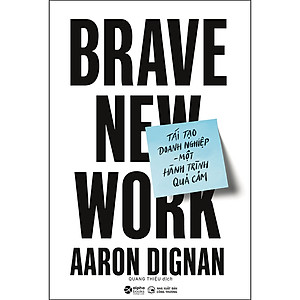
Mỉa mai thay, chính trong những ngày tháng nhìn guồng máy trì trệ xung quanh tê liệt với những cuộc họp kéo dài vô tận làm nguội ngắt mọi ý tưởng, lại là lúc nó lật mở cuốn sách "Tái tạo doanh nghiệp" (Brave New Work) của Aaron Dignan.
Aaron Dignan là nhà sáng lập của The Ready—một tổ chức tư vấn phát triển hệ thống quản trị có tầm ảnh hưởng toàn cầu, từng tái cấu trúc thành công cho các tập đoàn khổng lồ trong danh sách Fortune 100 lẫn các định chế công quyền. Dignan viết tác phẩm này bằng văn phong đanh thép, trần trụi của một gã thực chiến, phẫu thuật căn bệnh vĩ cuồng của chủ nghĩa quan liêu để tìm lại khoảng trắng cho sự sáng tạo.
Tác giả chỉ ra một thực tế cay đắng: bi kịch của các tổ chức hiện đại là họ tự giam cầm mình trong những "Hệ điều hành" lỗi thời từ thế kỷ trước. Người lãnh đạo thích la lối, đập bàn tuyên bố những mục tiêu triệu đô hoành tráng từ các biểu đồ lý thuyết, rồi áp đặt một ngân sách khắt khe cùng hàng loạt mệnh lệnh khô khốc. Họ nghiện dự đoán tương lai thay vì dũng cảm nhìn nhận thực tại vô thường.
"Tổ chức của bạn không phải là một cỗ máy cần được sửa chữa. Nó là một hệ sinh thái phức tạp cần được nuôi dưỡng."
Để hiện thực hóa công cuộc tái tạo, Aaron Dignan đã kiến tạo nên một bản đồ tư duy gồm 12 yếu tố cốt lõi. Trong đó, nó đặc biệt tâm đắc cách tác giả tái định hình sáu trụ cột: Chiến lược, nguồn lực, hội họp, thông tin, tư cách thành viên và lương bổng.
Dignan chứng minh rằng, để vận hành tinh gọn, chiến lược không phải là một văn bản hành chính rập khuôn, cố chấp, mà là một thực thể sống có khả năng tiến hóa theo từng nhịp đập thực tế. Thông tin phải được minh bạch tuyệt đối để loại bỏ những "tin đồn" quấy rối tinh thần và tiêu trừ nhân tính. Hội họp phải được thiết kế lại—con người đứng thẳng bên chiếc bàn cao để đối thoại sòng phẳng, ủi phẳng mọi sự trì trệ.
Đọc tác phẩm này giúp nó có được sự điềm tĩnh, lạnh lùng của một nhà khoa học như Angela Merkel trước bão tố dư luận, để nhận ra quy luật nhân–quả ẩn hiện trong mỗi quyết sách quản trị. Nó không còn bị đánh lừa bởi những đường nét vẽ sẵn của gã CEO đời thứ tư, bởi nó biết, hơi ấm yêu thương và sự tận tâm chân thật với thực tại mới là thứ duy nhất cứu rỗi một tổ chức.
***
"Thinking and doing are two separate things. And thinking is also different from the addiction to prediction. With a barrage of commands. With the convergence of all those things under the guise of a strict budget. Midst the theories and contributions of artificial intellectuals, we build almost nothing of substance for our current work."
The fourth-generation CEO summoned nó into his room, his finger pointing directly at a fluctuating chart of rising and falling lines and numbers. The screen was chằng chịt (densely tangled) with the graphs of a daily report, sketching out a grandiose picture of the company’s operations. He seemed intent on lecturing nó—a rebellious kid from the streets who had just entered the administrative world, someone who, in his eyes, had zero clue how to read data. He was talking passionately about trends. Nó merely smiled, remained silent, and nodded obediently like a well-behaved child before a grand master. Nó had grown accustomed to that face within a mechanism that was entirely global, yet heavily ethnocentric. But deep within its core, a silent exchange was taking place. Public retaliation achieves nothing, only inviting the label of arrogance. Yet, the stubborn child within nó still spoke up under its breath, breaking into a bitter truth: Nothing is always right; the essence of a trend, after all, is still just a prediction.
Then, the day of "always right" collapsed. Two weeks later, Covid erupted, and a draconian social distancing mandate was deployed. Nó spun wildly before a computer screen, anchored inside the box of its own home, witnessing a cost far greater than anything ever predicted. A deep, hollow wound that, even five years later, reality has still failed to recover from.
Ironically, it was precisely during those months of watching the stagnant machinery around it become paralyzed with endless meetings that left every spark of an idea cold, that nó reopened the pages of “Brave New Work” by Aaron Dignan.
Aaron Dignan is the founder of The Ready—a global organizational design and transformation firm that has successfully restructured giant Fortune 100 enterprises and public institutions alike. Dignan penned this work with the unyielding, naked voice of a practical warrior, dissecting the grandiose sickness of bureaucracy to reclaim the white space for creativity.
The author exposes a bitter reality: the tragedy of modern organizations is that they imprison themselves within obsolete "Operating Systems" from the previous century. Leaders enjoy shouting, banging on tables, and proclaiming massive million-dollar goals from theoretical charts, only to impose a strict budget alongside a barrage of dry commands. They are addicted to predicting the future instead of courageously confronting an impermanent (vô thường) reality.
"Your organization is not a machine to be fixed. It is a complex ecosystem to be nurtured."
To manifest this transformation, Aaron Dignan engineered a culture map consisting of 12 core elements. Among them, nó is particularly captivated by the author’s redefinition of six pillars: Strategy, Resources, Meetings, Information, Membership, and Compensation.
Dignan proves that to operate leanly, strategy is not a hard-molded, stubborn administrative document, but a living entity capable of evolving with every pulse of reality. Information must be absolutely transparent to eliminate the psychological harassment of "rumors" and the diminishment of humanity. Meetings must be redesigned—humans standing upright beside the high table to engage in transparent, sòng phẳng dialogue, flattening all stagnation.
Reading this work endows nó with the exact composure and cold precision of a scientist like Angela Merkel standing before a political tempest, recognizing the law of cause and effect woven through every management decision. Nó is no longer deceived by the pre-drawn lines of the fourth-generation CEO, because nó knows that human warmth and an absolute devotion to the present reality are the only things capable of saving an organization.



Không có nhận xét nào:
Đăng nhận xét