GIẤU CHỒNG
Sảnh tiệc cưới sang trọng ở trung tâm Sài Gòn sáng rực dưới hàng trăm ngọn đèn chùm pha lê lấp lánh. Mùi hoa tươi ướp lạnh, tiếng ly thủy tinh va vào nhau keng keng giòn giã và tiếng nhạc jazz êm ái xua tan cái nóng hổi ngoài phố.
Đó là tiệc tổng kết quý của tập đoàn. Chụy ngồi ở bàn tiệc dành cho dàn quản lý cấp cao, thân hình đòn dảnh, đẫy đà được siết gọn trong chiếc đầm dạ hội màu xanh nhung sang trọng. Tay chụy xoay xoay ly rượu vang đỏ, mỉm cười kiêu hãnh giữa những lời tung hứng của hội chị em đồng nghiệp.
– "Chồng em á, tháng nào cũng nộp hết lương, nhưng mà lười lắm, chẳng biết làm gì giúp vợ cả!" – Một cô trưởng phòng trẻ trung nũng nịu bĩu môi.
– "Ôi, thời buổi này tìm đâu ra người vừa biết kiếm tiền vừa tinh tế!" – Cô giám đốc nhân sự tiếp lời. – "Như anh nhà chụy nè, thấy lúc nào chụy cũng rạng rỡ, chắc chiều chụy dữ lắm đúng không?"
Chụy nhấp một ngụm rượu vang, nụ cười trên môi càng thêm mặn mà, viên mãn. Chụy nhẹ nhàng đặt ly xuống, giọng tự hào, thanh thoát:
– "Anh nhà chụy hiền lành lắm. Lúc nào cũng chu đáo, chẳng bao giờ để chụy phải bận tâm việc nhà. Cứ đi làm về là có cơm ngon canh ngọt sẵn sàng."
Mấy cô chị em xung quanh trầm trồ, ánh mắt đầy sự ngưỡng mộ. Chụy nhận lấy những lời tung hô ấy như một chiếc vương miện rực rỡ, lấp lánh giữa ánh đèn tiệc tùng.
Thế nhưng, ngay khoảnh khắc nụ cười ấy chạm đỉnh của sự kiêu hãnh, mặt trái của thực tế lại ập về, tạt một gáo nước lạnh buốt vào tâm trí chị.
Đằng sau bức tranh "người chồng lý tưởng" mà chụy vừa tô vẽ cho hội chị em là một sự thật cay đắng mà chụy luôn phải cắn răng giấu kín.
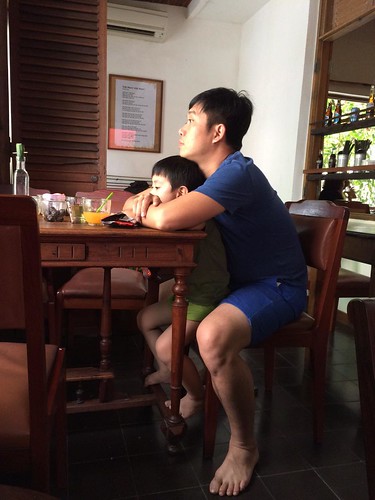
Chị giấu chồng. Trong những sự kiện ra mắt sản phẩm bóng lộn của công ty, nơi người ta sống áo lụa là, thơm phức mùi nước hoa đắt tiền, thì gã chồng chị xuất hiện với một dáng dấp không thể nào nhếch nhác hơn. Gã mặc chiếc quần đùi nới lưng xuề xòa, chân xỏ đôi dép xốp, đã vậy còn tay xách nách mang—một tay xách chiếc túi dứa chất đống quần áo thay ra của con, tay kia khệ nệ bình nước, hộp sữa lỉnh kỉnh. Lũ trẻ đi theo gã cũng quần áo lôi thôi, lếch thếch, mặt mũi lem nhem bơ sữa, ngơ ngác giữa ánh đèn neon rực rỡ.
Chị dặn dò chuyện ăn mặc. Gã im lặng. Gã gật đầu nhẫn nhục, nhưng rồi đâu lại vào đấy. Lần sau có dịp, gã lại tiếp tục cái điệu bộ xuề xòa, quê kệch ấy, có chăng khá hơn xíu là khoác lên người một bộ quần áo chẳng ăn nhập vào đâu. Chiếc quần vải Zara gã mặc chắc tuổi đời phải tính bằng hàng chục năm, vải đã bạc màu, xơ rơ đến mức những sợi chỉ nhỏ bung lên có thể thấy rõ bằng mắt thường. Gã phối nó với chiếc áo polo đỏm dáng mua từ thương hiệu bình dân Uniqlo—một sự kết hợp lệch tông hoàn toàn cả về kiểu dáng lẫn màu sắc, đã vậy gã còn bồi thêm đôi giày thể thao gồ ghề chẳng liên quan gì đến tổng thể
Chị giấu chồng. Chị giấu gã khỏi những buổi tiệc tùng sang trọng như thế này, một phần vì gã chẳng có lấy một bộ vest nào cho tử tế. Cả tủ đồ của gã chỉ trút lại duy nhất bộ đồ cưới từ chục năm trước, mỗi lần gã cố nông người nhét mình vào là khuy áo căng gồng như chực nổ tung, gã thở cũng không dám thở mạnh, hễ mở miệng nói một câu là chị lại thót tim sợ đứt hết nút rơi xoảng xuống sàn.
Giữa không gian dạ tiệc lung linh, nơi mọi người cụng ly cười nói rôm rả, giao hảo lanh lẹ thì gã chồng chị lại như một bóng ma lội ngược dòng. Gã cứ lủi thủi tiến về phía bàn tiệc buffet, cắm cúi gắp đồ ăn, lẳng lặng ăn cho xong phần mình rồi ngồi ngơ ngác nhìn quanh. Ăn xong, gã lại lầm lũi đứng đợi chị ở một góc tối, như một cái bóng câm nín chỉ chực chờ được về nhà.
Chị giấu chồng. Hay đúng hơn, chị cố nuốt chửng cái cảm xúc ngượng ngùng, tủi hổ vặn xoắn trong lòng ngay tại thời điểm ấy... Được vài giây giữ gặt cho tròn vai người vợ lịch sự, đến khi khuất bóng người qua lại, chị liền sa sầm mặt mày, gắt gỏng nhắc nhở gã lần sau đi đâu thì ăn mặc cho đàng hoàng, chỉn chu vào.
Giữa trăm ngàn lần chị cằn nhằn và gã nhẫn nại cho qua, gã chỉ duy nhất một lần đáp trả chị bằng cái giọng thản nhiên đến cay đắng: "Ăn mặc thế này cho nó thoải mái, với cả có tiền là được chứ gì?"
…
Nói về tiền, người ta nhìn vào gã bây giờ chỉ thấy một kẻ thong dong, bất tài. Nhưng có ai ngờ, gã chồng chị cũng từng là một gã công bộc đúng nghĩa, từng làm việc cho một tập đoàn nước ngoài có tiếng. Ngày xưa, hai người bén duyên nhau cũng chính từ cái vẻ ngoài bóng loáng, lịch thiệp và thu hút ấy—nơi gã áo sơ mi phẳng tắp, nói tiếng Anh như gió và đầy hoài bão tuổi trẻ.
Thế nhưng, từ khi đứa con thứ hai ra đời, gã chồng chị lại rút về hậu phương. Sự xô xát của thị trường, áp lực thăng tiến và hàng tá chuyện tiêu cực nơi công sở khiến gã mệt mỏi. Gã chọn cách rời bỏ guồng quay văn phòng, ôm lấy niềm đam mê làm đồ gỗ mỹ nghệ lặt vặt tại nhà. Gã thong dong kiếm vài đồng bạc lẻ chẳng đủ trả tiền điện nước, nhường lại toàn bộ gánh nặng sự nghiệp và tiền bạc lên bờ vai mảnh dẻ của chị. Chị nghĩ đấy là gã hy sinh vì mình và vì con.
Nằm giữa bàn tiệc, nhìn quanh những đồng nghiệp nam cùng cấp quản lý trong công ty, lòng chị bỗng chùng xuống một nốt trầm chạnh lòng cay đắng.
Cảnh tượng trước mắt làm tim chị đau nhói. Những gã đàn ông ngồi quanh chị—những giám đốc, trưởng phòng ở tuổi ba mươi, bốn mươi—sơ mi phẳng tắp, đồng hồ hàng hiệu lấp lánh trên cổ tay, phong thái tự tin chỉ đạo hàng trăm nhân viên. Giọng họ sang sảng bàn chuyện chiến lược, nghe đâu đều là những chỗ dựa vững chắc cho gia đình, là niềm tự hào của vợ con, là những kẻ phong nhã làm chủ cuộc chơi. Chị cười, một nụ cười gượng gạo nhếch lên nơi khóe môi, đắng chát và méo xệch, cố giữ vệt son mặn mà trên gương mặt để gạt đi sự chạnh lòng vặn xoắn bên trong.
Chị giấu chồng. Giấu gã toàn bộ những tính toán riêng cho tương lai. Chị hiểu rằng cuộc đời này quá nhiều biến động và rủi ro, chị không thể trông chờ vào một gã chồng thu mình nơi xưởng gỗ nếu bi kịch hay giông bão bất ngờ xảy ra. Chị bắt đầu lén mua những gói bảo hiểm nhân thọ đắt đỏ cho cả gia đình, giấu gã âm thầm tích lũy tài sản, lập sổ tiết kiệm riêng, lén lút mua vàng và thậm chí là tích trữ cả kim cương giấu kín dưới đáy tủ. Chị tin rằng với một gã thờ ơ, suy nghĩ chuyện “trên trời”, sẽ chẳng bao giờ để tâm để biết.
Chị gồng mình đầu tư cho con học trường quốc tế, quyết tâm trải sẵn cho chúng một con đường bằng phẳng, tốn kém để chúng không bao giờ phải rơi vào cảnh lếch thếch, nhếch nhác như bố chúng. Ở những vị trí quản lý xung quanh chị, con cái của đồng nghiệp đều được định hướng du học, bàn chuyện tương lai xán lạn ở phương Tây. Chị thà chấp nhận kiệt quệ chứ nhất quyết không muốn thấy mình lạc điệu, bị tách rời hay lép kẹp khỏi đám đông thượng lưu—nơi chị đang gồng lưng kiếm tiền và gồng mình để sống.
Thế nhưng, cái giá của sự chuẩn bị ấy quá đắt. Hàng tháng, những khoản nợ ngân hàng vay mua nhà, vay đóng học phí, vay mua bảo hiểm bắt đầu "nhảy số" liên tục trên màn hình điện thoại. Mỗi độ cuối tháng, tiếng chuông tin nhắn báo nợ vang lên như tiếng chuông tử thần, siết chặt lấy cổ họng chị.
Nằm gọn trong chiếc túi xách thương hiệu đắt tiền đặt trên đùi chị, chiếc điện thoại đang sáng màn hình, rung lên nhảy nhót liên hồi. Những dòng tin nhắn báo nợ dồn dập đập vào mắt: tin nhắn nhắc nợ học phí trường quốc tế của đứa con lớn vừa gửi đến, nằm ngay trên tin nhắn báo hóa đơn viện phí đợt khám bệnh gần nhất của mẹ chồng ở quê. Tất cả gộp lại, tổng cộng ngót nghét cả trăm triệu đồng.
Gã chồng chị chẳng giải quyết được cái gì! Mỗi lần chị định bàn chuyện tiền bạc, nhìn cái mặt đờ đẫn, hiền lành đến mức nhu nhược của gã, chị lại nuốt ngược những lời gắt gỏng vào trong. Chị tự hỏi lòng ngày xưa sao mình chọn gã này làm chồng?
Chị muốn giấu gã những khoản nợ nần, giấu những lần bị Ban Giám đốc chửi rủa xối xả vì doanh số sụt giảm, và giấu cả những trận đau dạ dày hành hạ mỗi độ cuối tháng. Thế nhưng, bao nhiêu ấm ức và mệt mỏi nén chặt trong lòng không hề biến mất, chúng cứ thế tuôn ra dưới một hình thái khác của ngôn từ—chua chát, cằn nhằn và gắt gỏng đến tàn nhẫn.
Mỗi chiều bước chân về nhà, vệt son phấn mặn mà từ tiệc tùng hay công sở lập tức bị thay bằng sự cau có lộ rõ trên từng nét mặt. Chị giật mạnh cánh cửa, quăng chiếc túi xách đắt tiền lên bàn đánh rầm như muốn đập vỡ sự im lìm trong căn phòng. Đôi mày chị nhíu chặt lại thành vệt sâu giữa hai con mắt, khóe miệng xệ xuống đầy vẻ coi thường và hằn học. Chỉ cần nhìn thấy gã chồng dán mắt vào đống gỗ vụn hay lũ trẻ lỡ làm rớt vài hạt cơm xuống sàn, cơn thịnh nộ trong chị liền chực bùng nổ:
– "Cái nhà này là cái chợ hay sao mà dơ thế này? Làm không ra tiền mà cái nhà cũng đếch dọn nổi cho sạch nữa hả?"
Gáy chị cứng đờ, từng lời thốt ra gắt gỏng như chực ăn tươi nuốt sống người đối diện. Đờ, mờ, mày, tao…lần lượt được phun ra. Chị không nói ra nỗi sợ vỡ nợ hay những gánh nặng tài chính đang đè nát bờ vai, nhưng sự khó chịu, cáu bẳn và thái độ hắt hủi cay nghiệt ấy chính là thứ ngôn ngữ đớn đau nhất mà chị xả xuống gã chồng mỗi khi kiệt sức trở về.
Tình huống cay đắng ấy xới tung ký ức chị, kéo trí óc chị dạt trôi ngược về quá khứ...
Chị sinh ra ở một vùng biển nhỏ thuộc miền Trung—nơi nắng gió rát xẩm thịt da và những cơn bão tháng Mười luân hồi dội xối xả vào những mái nhà tôn rách bươm. Tuổi thơ của chị là những ngày dài in dấu chân trần trên cát nóng, ngửi mùi muối biển mặn chát quyện trong mùi cá khô khẳn dọc các vạt đồi, và lắng nghe tiếng sóng biển gầm réo rắt rắt ngoài trùng khơi.
Mẹ chị cũng là một người phụ nữ gánh cá thuê ở bến cá quê—một người phụ nữ tảo tần, chịu thương chịu khó, cả đời gập lưng cúi đầu trước cái nghèo cay nghiệt. Chị từng chứng kiến cảnh mẹ bị người ta chửi rủa, bị ép giá chèn ép từng đồng lẻ chỉ vì vài ba con cá ươn, rồi tối về lại lặng lẽ nhẫn nhục chịu đựng những trận chửi đổng của ông bố cồn cào men say. Chị thề sẽ không bao giờ để đời mình lặp lại bi kịch nghèo đớn nghèo đau ấy!
Ngay từ năm mười lăm tuổi, đứng trước gánh cá dầm mưa cay đắng của mẹ, chị đã tự hứa với lòng: "Sau này lớn lên, tao nhất định phải lên Sài Gòn, phải giàu, phải thành công để không ai được quyền khinh tao, không phải phụ thuộc vào bất kỳ thằng đàn ông nào!"
Chị lao vào đời như một con thiêu thân cuồng dại. Chị vội ăn, vội học, vội lớn. Từ một cô gái quê ngơ ngác mang theo cái giọng miền Trung trọ trẹ, chị bươn chải đủ nghề: làm nhân viên bán hàng, làm kế toán, rồi phấn đấu ngoan cường leo lên ghế quản lý. Chị cày ải từ năm giờ sáng đến tận đêm muộn, nhặt nhạnh từng cơ hội nhỏ nhất để chứng tỏ bản thân.
Thế nhưng, chị cũng chỉ là một người phụ nữ. Mạnh mẽ đến đâu thì cũng có lúc yếu mềm, chị cũng từng khao khát tìm một bờ vai đủ rộng để tựa vào—chẳng cần gã phải mang lại mâm cao cỗ đầy hay núi tiền biển bạc, chỉ cần những lúc kiệt sức trở về, có người dịu dàng lắng nghe, sẻ chia chút cảm xúc bình yên thôi, với chị thế là đủ.
Thế nhưng, đời không như là mơ.
Khi chị đạt được cái gọi là "thành công" văn phòng với mức lương hàng chục triệu, chị lại rơi vào một cảnh tình khác.
Gắt gỏng. Đó là từ chính xác nhất để miêu tả chụy mỗi khi bước chân về nhà.
Những áp lực từ sự thay đổi vùn vụt của thời đại—những đợt sóng sa thải, áp lực chỉ tiêu, những khóa học kỹ năng đắt đỏ—khiến chụy lúc nào cũng như một chiếc nồi áp suất chực chờ bùng nổ. Và kẻ hứng chịu toàn bộ sự gắt gỏng ấy chính là gã chồng.
– "Anh làm cái trò gì cả ngày ở nhà vậy hả?" – Chụy từng gào lên vào một chiều mưa tầm tã, khi bước về nhà thấy sàn nhà chưa lau, gã chồng thì đang hí ngoáy đục đẽo chiếc ghế gỗ cũ.
Gã chồng lặng lẽ cúi đầu, tay cầm chiếc đục gỗ dừng khựng lại, không đáp một lời. Cái sự im lặng cam chịu ấy không làm chụy nguôi giận, mà càng khiến chụy chán ghét gã hơn. Chị ghét cái sự yếu ớt của gã, ghét cái vẻ đờ đẫn của gã trước cơn bão cơm áo gạo tiền đang đè nặng lên vai chị.
Đứa con đầu lòng ra đời trong sự thiếu hụt tài chính; đứa con thứ hai ra đời giữa lúc chị vừa bị giáng chức vì nghỉ thai sản quá lâu. Mỗi một đứa trẻ cất tiếng khóc chào đời không chỉ mang theo niềm vui, mà còn mang theo hàng xóm những hóa đơn tã sữa, tiền học thêm, tiền bảo hiểm... Chị biến thành một cỗ máy kiếm tiền kiệt quệ.
Chị giấu chồng những khoản vay nóng, giấu gã những lần chị phải đi tiếp khách uống rượu đến nôn mửa ra ngoài để đổi lấy hợp đồng.
Chị thấy đời mình như một gánh hàng cá ở chợ quê năm xưa—cứ thoi đưa, thoi đưa, từ đời mẹ chị gánh cá, đến đời chị gánh hóa đơn văn phòng, nối tiếp nhau gồng lưng trả nợ cho sự tồn tại.
…
Căn phòng họp ở tầng mười hai tòa nhà văn phòng hạng A giữa trung tâm Sài Gòn rực rỡ ánh đèn neon trắng lạnh. Máy điều hòa trung tâm phả ra những luồng hơi băng giá, im lìm đến mức có thể nghe thấy cả tiếng kim giây đồng hồ nhích đi từng nhịp tắc, tắc tàn nhẫn.
Chị ngồi ở đầu bàn, tay siết chặt chiếc bút máy cao cấp, đôi mắt đờ đẫn nhìn vào màn hình máy chiếu đang hiển thị biểu đồ doanh số đỏ quạch.
Năm nay chị đã ba mươi tám tuổi. Ở cái độ tuổi mà người ta thường mơ về sự an yên, chị lại đang ở một tâm thế luôn căng như dây đàn—một người phụ nữ mang tấm thân đòn dảnh, đẫy đà nhưng lúc nào cũng phải khoác lên mình bộ vest công sở phẳng tắp, đôi giày cao gót nhọn hoắt như hai chiếc đinh ghim chặt chị vào guồng quay khốc liệt của thời đại.
– "Chị ơi, dự án tháng này sụt giảm 15%. Nếu không bù được trong tuần này, Ban Giám đốc sẽ tái cấu trúc toàn bộ nhân sự đấy ạ!" – Tiếng cô trợ lý trẻ trung, mặt mũi láng mịn vang lên nhè nhẹ nhưng như một cú gõ gậy thẳng vào màng óc chị.
Chị hít một hơi thật sâu, nuốt ngược vị đắng ngắt vào trong cổ họng. Chị không gào lên. Ở cái công sở xô xát này, gào lên là yếu đuối. Chị gật đầu, nở một nụ cười xã giao lạnh ngắt: "Tôi biết rồi. Mọi người ra ngoài làm việc đi."
Khi cánh cửa kính cách âm đóng lại, chị buông xõa bờ vai rộng, run rẩy mở chiếc túi xách đắt tiền.
Chị ngập ngừng rút chiếc điện thoại thông minh out-model ra. Trên màn hình, dòng tin nhắn từ ngân hàng vừa báo trừ lương, và ngay dưới đó là tin nhắn hỏi thăm của gã chồng: "Em ơi, tháng này bên em thưởng nhiều không? Anh đang tính góp vốn với mấy đứa bạn mở cái xưởng nhỏ..."
Chị tắt phụt màn hình.
BỎNG TRỜI
Sài Gòn năm giờ chiều đổ mưa tầm tã. Cơn mưa tháng Mười cuốn theo cái lạnh buốt giá dội xối xả xuống những ô kính cường lực của tòa nhà văn phòng, biến thành phố bên dưới thành một bức tranh màu xám xịt, nhòe nét.
Chị dắt chiếc xe tay ga đắt tiền ra khỏi hầm gửi, chầm chậm hòa vào dòng người đang gồng lưng ngụp lặn dưới mưa.
Hôm nay, chị không muốn về nhà ngay. Chị tạt xe vào một quán cà phê nhỏ ven sông Sài Gòn—nơi có những ô cửa kính hướng ra bờ kè ngợp gió.
Chị gọi một ly cà phê đen không đường. Cái vị đắng ngắt đọng lại nơi đầu lưỡi thức tỉnh trong chị một sự kiệt quệ tột cùng. Đã có quá nhiều đêm chị thức trắng, có thêm một đêm nữa thì đã sao, caffeine là thứ mỗi ngày chị nốc cạn vài ly để giữ cho đôi mắt còn mở to giữa guồng quay tàn nhẫn.
Chị thích được tự do! Chị thèm được thoải mái đến phát điên! Chị ước gì mình có thể buông bỏ tất cả những thứ trói buộc này: buông bỏ chiếc ghế Giám đốc Kinh doanh đầy áp lực, buông bỏ đống hóa đơn nợ nần, buông bỏ gã chồng nhìn thôi đã xốn mắt và cả những đòi hỏi liên tục của hai đứa con đang tuổi ăn tuổi lớn. Chị thèm được quay về vùng biển miền Trung nắng gió năm nào, leo lên một chiếc thuyền nhỏ trôi dạt out-site ra ngoài khơi xa, không phải nghĩ đến ngày mai ăn gì, làm gì, hay phải cúi đầu xin xỏ bất kỳ ai.
Chị thấy đời mình cứ quẩn quanh, quanh quẩn. Chị chán gã chồng bất tài, nhưng nếu ly hôn, hai đứa con sẽ ra sao? Mọi người sẽ nhìn vào chị thế nào? Chị ghét công việc văn phòng, nhưng nếu nghỉ việc, lấy tiền đâu trả tiền học phí quốc tế, tiền viện phí cho mẹ chồng và hàng tá khoản vay ngân hàng đang nhảy số dồn dập mỗi cuối tháng?
Chị giấu chồng. Chị giấu gã tất cả những vụn vỡ đang gặm nhấm tâm trí mình, nhưng chính trong khoảnh khắc kiệt quệ ấy, một gợn sóng tội lỗi dội lên cuồng giật trong lòng chị.
Chị thèm đến phát điên một bờ vai vững chãi—chẳng phải bờ vai lót tót, thu mình nơi xưởng gỗ của gã chồng, mà là bờ vai của một gã đàn ông xa lạ, gai góc, tự tin, người có thể ôm trọn lấy tấm thân đẫy đà của chị mà gánh hết mọi giông bão thời cuộc. Chị thèm cảm giác được cởi bỏ bộ vest công sở cứng nhắc, cởi bỏ chiếc vương miện "Giám đốc" ngột ngạt để chìm đắm vào một cuộc mây mưa điên dại, đầm đìa mồ hôi và cuồng nhiệt. Bởi thứ nhịp sống nguội lạnh bấy lâu nay đã làm tâm hồn chị giá băng tê tái, khiến chị chẳng còn nhận ra phần “con” ẩn sâu của riêng mình. Chị sống như một con robot vật vờ giữa guồng quay vô cảm, nơi những rung động mơn man, ngọt ngào của ngày nào đã hoàn toàn biến mất. Chị muốn được thỏa thê trong thứ bản năng nguyên thủy nhất, được vuốt ve, được khao khát, được vỡ tan ra để nhớ lại rằng: đằng sau những hóa đơn, những chỉ tiêu và chiếc lồng kính văn phòng lạnh ngắt này, chị vẫn là một người phụ nữ đúng nghĩa.
Trong tâm tưởng mê lụi của chị, gã nhân tình ấy hiện ra vẹn tròn từng đường nét sắc lẹm. Đó phải là một gã đàn ông mang vóc dáng cao ráo, bộc lộ nét cơ bắp săn chắc ẩn sau lớp áo sơ mi ôm sát phẳng tắp. Gã có khuôn mặt góc cạnh, vầng trán rộng cùng đôi mắt sâu thẳm, sắc bén—thứ ánh nhìn áp đảo, ranh ma của một kẻ làm chủ cuộc chơi, trải đời, có thể nhìn thấu toàn bộ sự mệt mỏi giả tạo mà chị đang cố che đậy. Đôi bàn tay gã lớn, thô ráp nhưng ấm áp, tràn đầy sức mạnh cuộn trào, đủ sức siết chặt lấy eo chị, nhấc bổng chị lên khỏi những vụn vặt cơm áo gạo tiền để chị dâng hiến toàn bộ sự trần trụi của thân xác. Gã nồng nặc mùi nước hoa trầm hương pha lẫn vị khói thuốc lá đắt tiền—thứ hương thơm dũng mãnh, đầy quyền lực, để chị cưỡi lên đó những nhục dục đam mê, hả hê rồi vứt lại.
***
Chị thấy mình như con chim trong chiếc lồng tự tạo; từ thích thú, chuyển sang tội tình rồi hoảng hốt trong chiếc lồng.
Một gã xe ôm công nghệ—dáng người, mặc chiếc áo mưa tiện lợi rách xơ rơ—đang chật vật tạt xe vào lề đường. Trên xe gã là một người phụ nữ gầy gộc, tay ôm chặt gói bánh mì thịt. Gã xe ôm vội vã cởi chiếc áo mưa của mình trùm lên đầu vợ, rồi gỡ chiếc khẩu trang xuống, chìa ra một nụ cười ngô nghê: "Trú mưa chút em ơi, bánh mì còn nóng này, ăn đi kẻo lạnh!"
Người vợ mỉm cười, bẻ đôi ổ bánh mì rồi dịu dàng đút một nửa vào miệng chồng.
Chị ngồi trân trối trong quán cà phê ấm áp, tim chị hẫng đi một nhịp.
Qua làn mưa nhòe nét, chị nhìn gã xe ôm mà lòng chợt dạt trôi về ngôi nhà nhỏ. Chị thấy thấp thoáng bóng dáng gã chồng mình những đêm chị đổ bệnh—gã lui cui thức suốt đêm nấu bát cháo hành thoang thoảng mùi gừng, dịu dàng bón từng thìa cho chị.
Chị nghe thấy tiếng của gã ồm ồm trò chuyện với đàn con mỗi đêm về, ríu rít như tiếng chim hót rộn ràng. Đoạn hội thoại ấm áp ấy chỉ vang lên sau khi mọi việc nhà đã xong xuôi: quần áo ngoài sào được gã lẹ tay gom vội tránh cơn mưa bất chợt, từng chiếc áo chiếc quần được ủi thẳng tắp từng ly, bát đũa dưới bếp đã khô ráo, sạch bóng không còn vết dầu mỡ. Những tỉ mỉ, lo toan ấy chẳng còn là cuộc chơi của một gã lãng tử tài hoa từng ngang tàng gánh vác hoài bão năm nào, tan biến như bong bóng sau mưa.
Chị giấu chồng. Chị giấu gã toàn bộ sự yếu đuối, kiệt quệ và những tính toán giằng xé của bản thân. Chị đưa tay xõa làn tóc dài ra, quấn lại sau đầu.
Tám giờ tối, mưa ngớt hạt. Chị đứng dậy, thanh toán tiền cà phê rồi rồ ga lái xe về nhà.
Căn nhà nhỏ ở cuối hẻm bừng sáng ánh đèn vàng ấm áp.
Bước qua mép cửa, chị thấy gã chồng đang lúi húi dưới bếp. Đứa con gái nhỏ năm tuổi chạy ùa ra ôm chầm lấy chân chị: "Mẹ về rồi! Ba nấu món canh chua cá lóc mẹ thích đây này!"
Chị lại đưa tay xõa tóc ra, quấn nhẹ lại sau đầu.
Đêm đó, chị dịch lại gần, nằm sát bên gã chồng mà thường ngày nhìn thôi đã xốn mắt. Khi da thịt cọ xát vào nhau, một hơi ấm quen thuộc tỏa ra lan khắp da thịt, hòa cùng tiếng thở phì phò đều đặn của đám trẻ đang ngủ say. Lần đầu tiên sau những tháng ngày dài giằng xé, chị chìm vào một giấc ngủ sâu. Ngọt lịm.
***
HIDING FROM HER HUSBAND
The luxurious wedding hall in the heart of Saigon gleamed brightly under hundreds of glittering crystal chandeliers. The scent of chilled fresh flowers, the crisp clinking of wine glasses, and the smooth jazz music melted away the sweltering street heat outside.
It was the conglomerate’s quarterly review gala. She sat at the VIP table reserved for senior executive management, her plump yet shapely figure cinched neatly inside a lavish dark blue velvet evening gown. Swirling her glass of red wine, she wore a proud, radiant smile amidst the playful banter of her female colleagues.
“My husband, you know—he turns over his entire paycheck every single month, but he’s so lazy! He doesn’t lift a finger to help around the house!” a young female department head pouted playfully.
“Oh, please! Where on earth can you find a man who knows how to make money and stays sensitive these days?” the HR Director chimed in. “Look at your man! You’re always glowing like this—he must spoil you rotten, doesn’t he?”
She took a sip of red wine, her smile growing even richer and more fulfilled. Setting her glass down softly, she replied with a gentle, dignified pride:
“My husband is very quiet and gentle. Always so thoughtful—he never lets me worry about housework. Whenever I get home from work, a hot, delicious meal is already waiting on the table.”
The women around her gasped in admiration, their eyes filled with envy. She drank in their praise like a glittering crown perched atop her head under the party lights.
Yet, at the very moment her smile hit the peak of pride, the harsh flip side of reality crashed down, throwing a bucket of ice-cold water onto her mind.
Behind the picture-perfect portrait of the "ideal husband" she had just painted for her colleagues lay a bitter truth she always had to bite her lip and hide.
She hid her husband.
At the company's glossy product launch events, where people dressed in fine silks and smelled heavily of expensive perfume, her husband would show up looking as shabby as humanly possible. He wore loose, faded cargo shorts, rubber flip-flops, and came overburdened with baggage—one hand lugging a woven tote crammed with the kids' change of clothes, the other carrying a clumsy assortment of water bottles and milk cartons. The children trailing behind him were equally disheveled, their clothes rumpled and their faces smeared with butter and milk, looking bewildered under the glaring neon lights.
She tried instructing him on how to dress. He remained silent. He nodded in humble submission, but things always reverted right back to the way they were. The next time an occasion arose, he resumed his sloppy, rustic demeanor—if anything, slightly worse, wearing an ensemble that didn't match at all. The pair of Zara trousers he wore had to be decades old, faded and frayed to the point where loose threads were visibly peeling off. He paired them with a flashy polo shirt bought from the budget brand Uniqlo—a complete mismatch in both style and color—and topped it all off with a pair of chunky running sneakers that had nothing to do with the rest of his outfit.
She hid her husband. She hid him from glamorous parties like this, partly because he didn't own a single decent suit. His entire wardrobe boiled down to his wedding suit from ten years ago; every time he tried to squeeze his body into it, the buttons strained so hard they looked ready to explode. He barely dared to breathe, and every time he opened his mouth to speak, her heart skipped a beat, terrified a button would snap and go clattering onto the floor.
Amidst the sparkling ballroom, where everyone clinked glasses, chatted lively, and networked effortlessly, her husband moved like a ghost swimming against the tide. He would silently slink toward the buffet table, head down, picking at food, eating his fill in quiet isolation, and then staring blankly around the room. Once finished, he would stand brooding in a dark corner, waiting for her like a mute shadow longing only to go home.
She hid her husband. Or rather, she tried to swallow the twisting knot of embarrassment and shame rising in her throat right at those moments... Holding her composure for a few seconds to play the polite wife, the instant they were out of public view, her face would darken as she snapped at him, demanding he dress properly and presentably next time.
Amidst a hundred thousand times she nagged and he patiently endured, he retaliated only once, speaking in a tone nonchalant to the point of bitterness: "Wearing this is comfortable. Besides, as long as we have money, what does it matter?"
…
Speaking of money, anyone looking at him now saw only an idle, incompetent man. But who could have guessed that her husband was once a true corporate climber, having worked for a prominent multinational corporation? Years ago, they had hit it off precisely because of that slick, polished, and charming exterior—back when he wore crisp dress shirts, spoke fluent English, and overflowed with youthful ambition.
However, ever since their second child was born, her husband retreated to the background. The chaotic market friction, promotion pressure, and toxic office politics wore him down. He chose to break free from the corporate hamster wheel to pursue his passion for making small handcrafted wooden items at home. He casually earned a few loose pennies that barely covered the utility bills, shifting the entire burden of career advancement and financial survival onto her fragile shoulders. She used to think he sacrificed himself for her and the children.
Sitting in the middle of the banquet table, looking around at the male executives of her tier, her heart suddenly sank into a bitter, mournful pause.
The scene before her made her heart ache. The men surrounding her—directors and department heads in their thirties and forties—wore tailored dress shirts, brand-name watches sparkling on their wrists, and exuded the confident aura of leaders commanding hundreds of employees. Their booming voices discussed grand strategies; by all accounts, they were solid pillars for their families, the pride of their wives, and suave masters of the game. She smiled—a forced, twisted smirk at the corner of her lips, bitter and crooked—trying to preserve the bold lipstick on her face to mask the twisting ache inside.
She hid her husband. She hid all her private calculations for the future from him. She understood that life was far too volatile and unpredictable; she couldn't rely on a husband tucked away in a woodworking shed if tragedy or storm struck out of nowhere. She began secretly buying expensive life insurance policies for the entire family, quietly accumulating assets behind his back, opening private savings accounts, secretly buying gold, and even hoarding diamonds hidden at the bottom of her closet. She believed that with a man so indifferent, his mind floating in the clouds, he would never pay enough attention to notice.
She strained herself to invest in sending their children to international schools, determined to pave a smooth, expensive path for them so they would never end up looking as shabby and unkempt as their father. Among the management circle around her, her colleagues' children were all groomed for studying abroad, their bright futures planned out in the West. She would rather grind herself to exhaustion than find herself out of place, isolated, or dwarfed by the elite crowd—the very crowd where she worked tirelessly to earn a living and fought desperately to belong.
Yet, the price of that preparation was crushing. Every month, bank notifications for home loans, tuition fees, and insurance premiums began "ticking up" incessantly on her phone screen. Toward the end of each month, the chime of debt reminders rang out like a death knell, tightening like a noose around her neck.
Tucked neatly inside the luxury designer handbag resting on her lap, her phone screen lit up, vibrating repeatedly. A barrage of debt notifications hit her eyes: a overdue tuition reminder for her eldest child's international school arrived, sitting right above an unpaid medical bill for her mother-in-law's recent hospital check-up in the countryside. Altogether, it tallied up to nearly a hundred million dong.
Her husband couldn't solve a single thing! Every time she intended to bring up money, one look at his blank, meek face—gentle to the point of spinelessness—made her swallow her sharp words back down. She asked herself silently: Why on earth did I choose this man as my husband back then?
She wanted to hide the debts from him, hide the times the Board of Directors berated her ruthlessly over falling sales, and hide the stomach ulcers that tormented her every month-end. Yet, all the suppressed frustration and exhaustion didn't vanish; they erupted through a different linguistic form—bitter, nagging, and savagely harsh.
Every afternoon as she set foot in the house, the polished makeup from galas and office meetings was instantly replaced by a deep scowl across her face. She would slam the door shut, throwing her expensive handbag onto the table with a loud thud, as if wanting to shatter the quiet room. Her brows furrowed deeply between her eyes, the corners of her mouth drooping with contempt and hostility. The moment she caught sight of her husband glued to a pile of scrap wood or the kids dropping a few grains of rice on the floor, her rage flared up:
“Is this house a flea market or what? Why is it so filthy? You can’t make any money, and you can’t even keep the damn house clean?”
Her neck stiffened as every word rasped out, sharp enough to swallow the person opposite her whole. Profanities spilled out one after another. She didn't voice her terror of bankruptcy or the financial crushing weight on her shoulders, but that bitterness, irritability, and harsh rejection were the most painful language she dumped onto her husband every time she returned home spent.
That bitter reality stirred up her memories, dragging her mind drifting back into the past...
She was born in a small coastal town in Central Vietnam—a place where harsh winds and scorching sun burned the skin, and annual October typhoons slammed relentlessly against battered tin roofs. Her childhood consisted of long days leaving bare footprints on hot sand, smelling the sharp sea salt mixed with the pungent stench of dried fish along the hillsides, and listening to the roaring waves crashing in the open ocean.
Her mother was also a hired fish carrier at the local fishing port—a hardworking, enduring woman who bent her back and bowed her head before bitter poverty her entire life. She had witnessed her mother being cursed at and haggled down over a few copper coins for a couple of stale fish, only to return home at night and quietly endure the drunken rants of her alcoholic father. She swore she would never let her life repeat that excruciatingly impoverished tragedy!
At just fifteen years old, standing before her mother's rain-drenched fish baskets, she made a silent vow: "When I grow up, I will go to Saigon. I must be rich and successful so no one ever has the right to look down on me, and I won't ever have to depend on any man!"
She plunged into life like a wild moth to a flame. She ate in a rush, studied in a rush, grew up in a rush. From a naive country girl carrying a thick central accent, she hustled through countless jobs: sales clerk, accountant, then fought fiercely to climb into management. She slaved away from five in the morning until late at night, snatching the smallest opportunities to prove herself.
Yet, she was still just a woman. No matter how strong, there were moments of vulnerability. She too had once yearned for a shoulder broad enough to lean on—not requiring him to bring home lavish feasts or mountains of wealth, but simply someone to gently listen and share a moment of quiet peace when she returned home exhausted. That would have been enough for her.
However, life was no fairy tale.
When she attained so-called office "success" with a monthly salary in the tens of millions, she fell into a different predicament.
Nagging and sharp. That was the exact description of her every time she stepped foot inside her home.
The pressure from the dizzying speed of modern change—waves of layoffs, sales targets, expensive upskilling courses—kept her feeling like a pressure cooker ready to explode. And the sole target bearing the brunt of her sharp tongue was her husband.
“What on earth are you doing at home all day?!” she had screamed one pouring afternoon upon returning home to an unmopped floor, finding her husband tinkering with an old wooden chair.
Her husband bowed his head in silence, his hand holding the wood chisel freezing mid-air without uttering a word. That submissive silence didn't appease her anger; it only deepened her disgust for him. She hated his weakness, hated his blank gaze in the face of the financial storm weighing down on her shoulders.
Their first child was born amidst financial scarcity; their second child arrived right when she had been demoted due to an extended maternity leave. Each newborn baby's cry brought not only joy, but also a mountain of bills for diapers, milk, extra classes, insurance... She transformed into an exhausted money-making machine.
She hid payday loans from her husband, hid the nights she had to entertain clients and drink until she vomited outside just to secure a contract.
She felt her life was no different from the fish basket at the village market years ago—tossing back and forth, back and forth, from her mother carrying fish to her carrying office bills, endlessly stooping their backs to pay the toll for existence.
…
The conference room on the twelfth floor of a Class-A office building in central Saigon was bathed in the harsh, cold glow of white neon lights. The central air conditioner blew icy drafts, so quiet one could hear the relentless tick, tick of the clock's second hand.
She sat at the head of the table, her hand gripping a high-end fountain pen, her eyes staring blankly at the projector screen displaying a blood-red sales chart.
She was thirty-eight this year. At an age when people usually dreamed of stability and peace, she was constantly stretched taut like a piano wire—a woman with a plump yet striking figure, forever encased in a tailored corporate suit, her sharp high heels pinning her down like two nails to the fierce wheel of the era.
“Ma'am, this month's project revenue is down 15%. If we don't make up for it this week, the Board will restructure the entire staff!” Her young assistant's smooth voice sounded soft, yet it struck her eardrums like a heavy blow.
She took a deep breath, swallowing the bitter taste back down her throat. She didn't scream. In this brutal corporate world, screaming was weakness. She nodded, flashing a cold, professional smile: “I understand. Everyone, back to work.”
As the soundproof glass door glided shut, she let her broad shoulders slump, her hands trembling as she unzipped her expensive handbag.
Hesitantly, she pulled out her outdated smartphone. On the screen, a bank notification alerted her to a salary deduction, and directly beneath it was a text from her husband: “Honey, is your bonus big this month? I’m thinking of pooling some cash with a few friends to open a small workshop...”
She snapped the screen off.
HEAVEN'S EMBERS
At five in the afternoon, Saigon was hit by a torrential downpour. The October rain brought a biting cold, pouring relentlessly against the reinforced glass windows of the office building, turning the city below into a blurry, washed-out grey canvas.
She wheeled her expensive scooter out of the basement garage, slowly merging into the sea of people battling the storm.
Today, she didn't want to go straight home. She pulled into a small riverside cafe in Saigon—a spot with glass windows overlooking the windy embankment.
She ordered a black coffee, no sugar. The harsh bitterness lingering on her tongue awakened a sense of utter exhaustion within her. She had stayed up through countless sleepless nights; what was one more? Caffeine was something she downed several cups of daily just to keep her eyes forced open amidst the ruthless grind.
She longed for freedom! She craved to be unburdened to the point of madness! How she wished she could cast aside all these shackles: relinquish the high-pressure position of Sales Director, abandon the mountain of unpaid bills, leave behind the husband whose very sight grated on her nerves, and escape the constant demands of two growing children. She yearned to return to the sun-bleached, windy Central coast of years past, board a tiny boat drifting far out into the open sea, without having to worry about what to eat or do tomorrow, or bow her head to beg anyone.
She felt her life spiraling in endless, suffocating circles. She was sick of her incompetent husband, but if they divorced, what would become of the two kids? How would people look at her? She loathed the office job, but if she quit, where would the money come from for international school tuition, her mother-in-law's medical bills, and the dozens of bank loans ticking up every month-end?
She hid everything from her husband. She hid all the shattered pieces gnawing at her mind, but right in that moment of rock-bottom exhaustion, a violent surge of guilt rippled through her heart.
She craved desperately for a solid shoulder—not the slouching, timid shoulder of her husband tucked away in his woodworking shed, but the shoulder of a stranger: rugged, confident, capable of wrapping his arms around her lush body and carrying the full weight of life's storms. She hungered to shed her stiff business suit, strip off the suffocating "Director" crown, and drown in a wild, sweat-drenched, passionate encounter. For the cold, sterile rhythm of her life had frozen her soul, making her lose touch with the raw, primal nature within herself. She existed like an aimless robot in a mindless machine, where every tender, thrilling sensation of the past had completely evaporated. She wanted to indulge in the most elemental instinct—to be caressed, desired, and broken apart, just to remember that beneath the invoices, sales targets, and icy glass office, she was still very much a woman.
In her feverish imagination, that lover materialized in sharp, vivid detail. He would be tall, his firm physique subtly revealed beneath a tailored dress shirt. He would have an angular face, a broad forehead, and deep, piercing eyes—an overwhelming, worldly gaze belonging to a master of the game, someone who could see right through the fake exhaustion she tried so hard to cover up. His hands would be large, rough yet warm, surging with strength, capable of gripping her waist tightly and lifting her right out of the mundane grind of daily survival so she could surrender her raw, nude self to him. He would smell strongly of agarwood cologne mixed with expensive tobacco smoke—a powerful, commanding scent upon which she could ride her passions, satisfy her desires, and cast aside when finished.
She felt like a bird trapped in a self-made cage; shifting from fascination to guilt, and finally to panic within its bars.
Outside, a tech-motorbike driver—slender, wearing a tattered plastic raincoat—was struggling to pull over to the curb. On the back of his bike sat a thin woman holding a paper bag of warm banh mi tightly in her arms. The driver hurriedly took off his raincoat to drape it over his wife's head, pulled down his mask, and flashed a gentle, naive smile: "Let's shelter from the rain for a bit, dear. The bread is still warm—eat while it's hot!"
The wife smiled, broke the banh mi in half, and tenderly fed a piece to her husband.
She sat frozen in the warm cafe, her heart dropping a beat.
Through the rain-streaked glass, as she watched the driver, her heart drifted back to her small home. She caught glimpses of her husband on the nights she fell ill—fumbling awake all night to cook a pot of ginger-scented rice porridge, gently feeding her spoonful by spoonful.
She heard his deep, rumbling voice chatting with their children every evening upon returning home, chirping merrily like birdsong. That warm dialogue only took place after every single household chore was done: clothes quickly gathered off the drying rack to dodge a sudden shower, every shirt and pair of pants ironed razor-sharp, dishes stacked dry and gleaming without a trace of grease. Those meticulous, caring acts were no longer the carefree antics of the talented, rebellious romantic he once was—they had vanished like rain bubbles.
She hid her husband. She hid all her vulnerability, exhaustion, and agonizing calculations from him. Reaching up, she untied her long hair and twisted it back neatly behind her head.
At eight in the evening, the rain eased. She stood up, paid for her coffee, and revved her scooter engine to drive home.
The small house at the end of the alley glowed with warm yellow light.
Stepping through the doorway, she saw her husband busy in the kitchen. Her five-year-old daughter ran out, throwing her arms around her legs: “Mommy’s home! Daddy cooked the sour catfish soup you love!”
She reached up again, letting her hair down and re-tying it gently behind her head.
That night, she shifted closer, lying right beside the husband whose very presence usually irritated her. As their skin brushed against each other, a familiar warmth spread through her body, blending with the rhythmic breathing of their sleeping children. For the first time in months of agonizing inner turmoil, she drifted into a deep, sweet sleep.