"Bạn tin vào điều mà mình muốn tin. Bạn nếm thứ mà bạn muốn nếm. Marketing là cuộc chiến của những ý niệm, không phải hương vị."
Thương trường. Nháo nhác. Cuồng quay.
Sách trên kệ. Nhan nhản. Toàn dạy thành công. Những công thức rập khuôn. Những ảo ảnh lộng lẫy. Chúng vẽ ra con đường trải hồng. Chúng ru ngủ người ta trong sự ngây thơ vĩ cuồng.
Nhưng nó thì khác.
Nó chỉ thèm đọc về sai lầm.
Bởi nó hiểu. Qua một đời phong sương bám đầy bụi đường kiếm tiền, thành công nào mà chẳng đúc kết từ gãy đổ? Học về thành công thường chỉ là bắt chước một mô hình ngụy tạo. Còn học về thất bại? Đó là nhát cắt trần trụi nhất. Đó là tự tay giải phẫu những vết thương hoắm. Bóc tách từng mảng ký ức kiêu ngạo để tránh bước xuống vực thẳm. Để không bị vồ vập bởi sự đào thải khốc liệt ngoài kia.
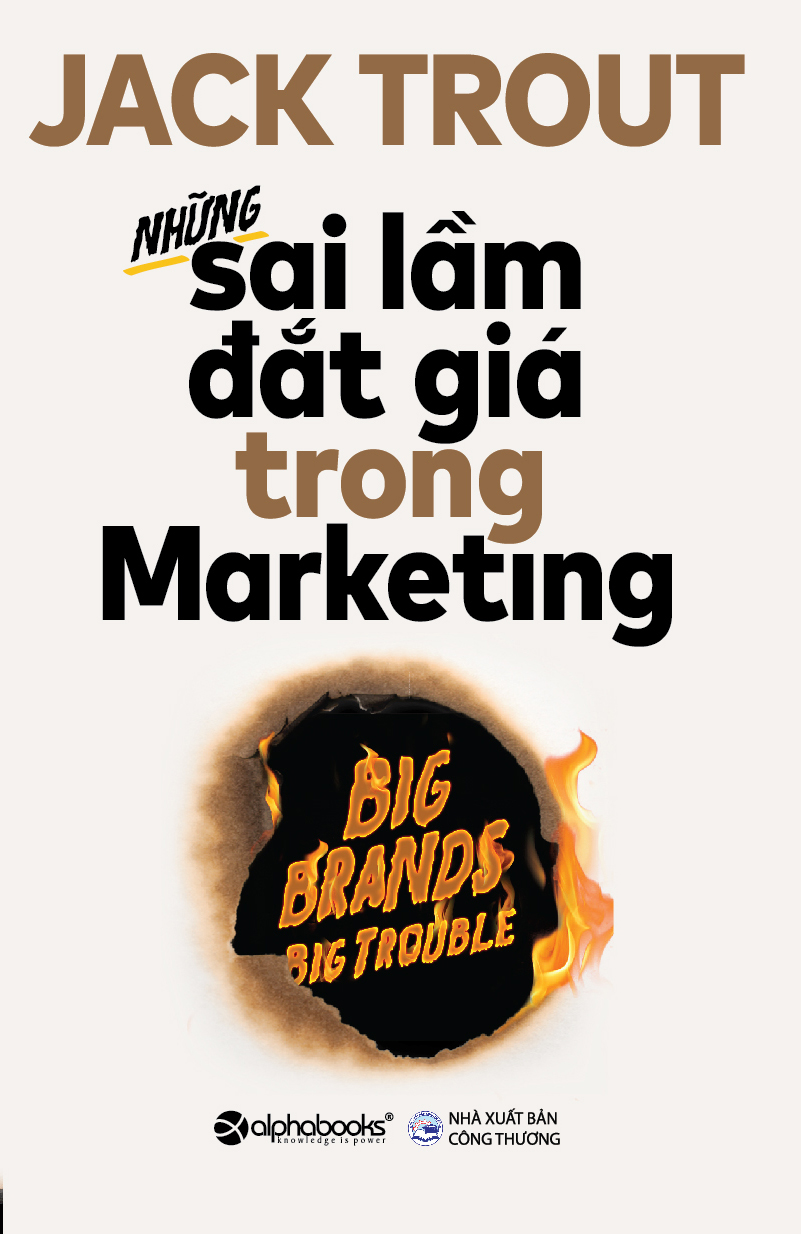
Giữa cái hộp văn phòng tù túng. Chiều giông bão vần vũ. Nó lật mở từng trang sách "Những sai lầm đắt giá trong Marketing" (In Search of Arrogance / Big Brands, Big Trouble) của Jack Trout.
Jack Trout—bậc thầy về chiến lược định vị— bằng văn phong phong sương, dứt khoát và nặng như một khối chì, ông bóc tách căn bệnh cốt lõi của những gã Sapiens kiêu ngạo: sự u mê trong ảo tưởng của chính mình, thường lầm lỡ tin rằng: chỉ cần sản phẩm ngon hơn, chất lượng tốt hơn, cỗ máy vận hành hoàn hảo hơn thì sẽ chiến thắng. Nhưng Trout lạnh lùng chứng minh điều ngược lại. Trực giác con người vốn dĩ bị thao túng bởi ý niệm. Khi các thương hiệu khổng lồ bắt đầu nảy sinh tâm lý thượng đẳng, họ tưởng mình là kẻ vô địch. Sự ngạo ngược (Arrogance) chính là khởi đầu của mọi thảm họa.
Jack Trout đã điểm mặt chỉ tên những "di sản" sai lầm đắt giá nhất lịch sử thương trường:
Bẫy mở rộng thương hiệu vô độ (Line Extension): Khi một cái tên đã định hình trong tâm trí khách hàng, việc tham lam gán nó lên vô số sản phẩm không liên quan chính là cách nhanh nhất để làm loãng và hủy diệt ý niệm nguyên bản.
Sự ngây thơ trước đối thủ: Đứng yên trên đỉnh cao, coi thường sự dịch chuyển của thị trường và phớt lờ những bước đi tinh ranh bên lề phố của các thương hiệu mới nổi.
Thao túng dữ liệu để ngụy tạo sự tăng trưởng: Những dự báo thu lời mong xé lẻ, những con số kế toán bị bóp méo chỉ để thỏa mãn lòng tham ngắn hạn.
"Những dự đoán mong manh về khả năng thu lời, tăng trưởng thường dẫn tới việc các mục tiêu bị bỏ lỡ, vốn bị xé lẻ và thậm chí số liệu kế toán cũng phải làm gi
ả."
Đọc đến đây, tim nó nhói lên một nhịp rứt rách. Cụm từ "số liệu kế toán bị làm giả" dội vào tâm trí nó hệt như tiếng máy in dồn dập chốn công sở. Đó chẳng phải là những chỉ số phù phiếm (Vanity Metrics) mà đám trẻ và những gã thích la lối vẫn mải mê đuổi theo sao? Hệt như cảnh báo của Spencer Johnson trong Ai đã lấy miếng pho mát của tôi, hay bài học số hóa vô cảm của Joe Wheeler: khi người ta mải mê làm giả con số để đổi chát lấy sự an toàn giả tạo, chối bỏ hiện thực phơi bày. Để rồi khi cơn khủng hoảng trút xuống, miếng pho mát thị phần lập tức biến mất, chiếc mặt nạ vị lợi rơi rụng, chỉ còn lại sự vỡ vụn khô khốc.
Không chỉ dừng lại ở việc lên án, Jack Trout trang bị cho đọc giả một bộ lọc tư duy tối giản nhưng mang tính sống còn. 70% dung lượng cuốn sách là những ca phẫu thuật thực tế, bóc tách tại sao những gã khổng lồ lại ngã ngựa:
Chấp nhận sự hữu hạn của thương hiệu: Một thương hiệu không thể đại diện cho tất cả mọi thứ. Càng cố ôm đồm, ý niệm càng mờ nhạt.
Tôn trọng thực tại trần trụi: Khách hàng không mua sản phẩm, họ mua ý niệm nằm trong tâm trí họ. Muốn thay đổi ý niệm, không thể dùng mệnh lệnh hành chính khắt khe hay những chiến dịch quảng cáo la lối, mà phải bắt đầu từ sự thấu suốt hành vi.
Điềm tĩnh đối diện với thất bại: Cắt lỗ kịp thời khi nhận ra sai lầm, thay vì tiếp tục đổ hàng triệu đô-la vào một chiến lược mục nát chỉ để bảo vệ cái tôi ngạo ngược của ban lãnh đạo.
Một thương hiệu bền vững không thể xây trên những số liệu ngụy tạo.
Nó khép lại cuốn sách của Jack Trout. Mưa ngoài hiên đập từng vệt dài. Tách cà phê hiệu suất trên chiếc bàn cao đã nguội ngắt từ lâu. Nhưng cõi lòng nó phẳng lại. Yên lành. Điềm tĩnh.
***
THE ANATOMY OF ARROGANCE: WHEN ILLUSIONS COLLAPSE IN THE MARKETPLACE
"You believe what you want to believe. You taste what you want to taste. Marketing is a battle of perceptions, not taste."
The marketplace. Frantic. Whirlwind.
Books lined upon shelves. Ubiquitous. All preaching success. Rigid, cookie-cutter formulas. Splendid illusions. They paint a rose-tinted path. They lull people to sleep in a state of grandiose innocence.
But nó is different.
Nó only craves to read about failure.
Because nó understands. Through a lifetime weathered by dust along the roads of chasing money, what success isn’t forged from collapse? Learning about success is usually merely imitating a fabricated blueprint. But learning about failure? That is the most naked cut. That is surgically dissecting gaping wounds with one's own hands. Peeling back each layer of arrogant memory to avoid stepping off the precipice. To avoid being violently consumed by the fierce elimination out there.
Inside the suffocating box of the office. An afternoon heavy with swirling storms. Nó turns each page of Jack Trout's “In Search of Arrogance / Big Brands, Big Trouble.”
Jack Trout—a master of positioning strategy—utilizes a prose weathered, decisive, and heavy as a block of lead to anatomize the core affliction of arrogant Sapiens: the intoxication within their own illusions. They often mistakenly believe that as long as a product tastes better, possesses superior quality, or operates as a more perfect machine, it will triumph. But Trout coldly proves the exact opposite. Human intuition is intrinsically manipulated by perception. When giant brands begin to nurture a mentality of superiority, they imagine themselves invincible. Arrogance is the precise origin of every catastrophe.
Jack Trout pinpoints and names the most expensive "legacies" of failure in market history:
The Trap of Unbridled Line Extension: When a name has already crystallized in the customer's mind, greedily slapping it onto countless unrelated products is the fastest way to dilute and annihilate the original perception.
Naive Complacency Toward Rivals: Standing idle upon the peak, scorning market shifts, and ignoring the shrewd moves made on street corners by emerging brands.
Manipulating Data to Fabricate Growth: Fragile profit forecasts sliced thin, twisted accounting figures designed solely to satisfy short-term greed.
"Fragile predictions regarding profitability and growth often lead to missed targets, fragmented capital, and even falsified accounting metrics."
Reading to this point, its heart throbbed with a sharp, fractured ache (rứt rách). The phrase "falsified accounting metrics" reverberated through its mind like the relentless clatter of an office printer. Were those not the exact vanity metrics that the young staff and the shouting men endlessly chased? Just like the warning from Spencer Johnson in Who Moved My Cheese?, or Joe Wheeler’s lesson on cold digitization: when people obsess over fabricating numbers to barter for a false sense of safety, they deny the exposed reality. Only for the crisis to crash down, causing the market-share cheese to instantly vanish, the utilitarian mask to fall away, leaving behind nothing but a dry, shattered ruin (vỡ vụn khô khốc).
Far from stopping at condemnation, Jack Trout equips the reader with a minimalist yet vital cognitive sieve. Fully 70% of the book consists of real-world autopsies, dissecting precisely why giants fell from grace:
Accepting the Finitude of a Brand: A brand cannot represent everything. The more it attempts to grasp, the fainter its core perception becomes.
Respecting Naked Reality: Customers do not buy products; they buy the perception lodged within their minds. To alter perception, one cannot employ harsh administrative commands or loud, shouting ad campaigns; one must begin with the deep comprehension of human behavior.
Calmly Confronting Failure: Cutting losses swiftly upon recognizing a mistake, rather than continuing to pour millions of dollars into a rotting strategy merely to protect the management's arrogant ego.
A sustainable brand cannot be erected upon fabricated metrics.
Nó closes Jack Trout’s book. Outside the window, rain strikes the glass in long, heavy streaks. The performance-driven coffee cup upon the high table has long gone cold. Yet its inner world levels out. Tranquil.




Không có nhận xét nào:
Đăng nhận xét