Chiến Phan

Hiển thị các bài đăng có nhãn designer. Hiển thị tất cả bài đăng

Thứ Ba, 22 tháng 6, 2021

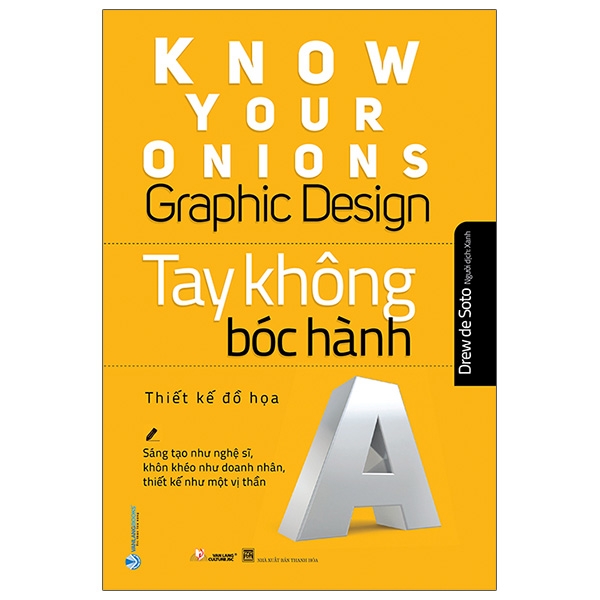
[Sách] Tay không bốc hành - Drew de Soto

Sách Tay Không Bóc Hành - FAHASA.COM 

"Trở thành một nhà thiết kế giỏi không chỉ là việc bạn hiểu về bố cục hay màu sắc. Nó là việc bạn biết cách vận hành một doanh nghiệp sáng tạo mà không để nỗi sợ hãi hay sự ngây thơ bóp nghẹt chính mình."

Cuối tuần. Áng mây xám lờ lững ngoài ô cửa như ì ạch kéo gã ra khỏi giấc ban mai hiếm hoi. Nhưng nó không thuộc về bầu trời ấy. Nó đang ở đây, giam mình dưới ánh đèn neon của văn phòng.

Đám trẻ mải mê thuyết trình về dự án biệt thự vừa hoàn tất. Chúng loay hoay trong mê cung thuật toán và những pixel lung linh, nhưng hoàn toàn mất phương hướng. Lộng lẫy đấy, mà rỗng tuếch. Đến khi vấp phải những câu hỏi từ kẻ ngoại đạo đóng vai khách hàng là nó, chúng khựng lại. 

Gã nhìn đám trẻ, rồi xót xa nhìn lại chính mình: tất cả đều đang chịu đựng một cuộc đời héo úa, lãng quên rằng điều phi thường nhất của một công trình chỉ là để người ta tìm về, sưởi ấm cho nhau bằng tình yêu thương khi ráng chiều đời đã muộn.

Để chấm dứt sự trôi dạt vô định theo gió mây ngàn của đám trẻ, nó bước lên, đập tan bầu không khí bằng một bài tập gợi ý: Thiết kế một sản phẩm chuyên về ngành thiết kế thi công ra sao

Sau buổi thuyết trình đó, nó trở về góc bàn của mình, tiếp tục lật lại những quyển sách về thiết kế, lún sâu vào những tìm hiểu về hoạt động này để thấu cảm một cách trọn vẹn hơn về bản thể của một ngành nghề. Sự loay hoay của đám trẻ làm nó lần mò tìm đọc lại một cuốn cẩm nang gối đầu giường của giới sáng tạo: "Tay không bốc hành" (Know Your Onions: Graphic Design) của Drew de Soto.

Drew de Soto không phải là một giáo sư hàn lâm ngồi trong tháp ngà để ban phát lý thuyết. Ông là một "gã thợ cày" thực thụ, người sáng lập kiêm Giám đốc sáng tạo của Agency danh tiếng LocalPlanet tại Anh. Ông viết cuốn sách này bằng văn phong của một người đàn ông phong sương, trần trụi, bóc tách toàn bộ những góc khuất nghiệt ngã của cái nghề mà người đời vẫn gắn cho hai chữ "hào nhoáng". Tác phẩm không dạy bạn cách vẽ một đường thẳng, nó dạy bạn cách sống sót, cách quản trị và cách đối thoại sòng phẳng với khách hàng khi trong tay chẳng có gì ngoài sự kiên cường và cái đầu lạnh.

Trong tác phẩm, Drew de Soto không né tránh thực tế đầy va đập của thương trường. Ông tiếp tục đưa ra những con số cụ thể, chuẩn xác để người đọc hiểu hơn về suy nghĩ của khách hàng dưới góc độ của một người thiết kế. Mục tiêu tối hậu của tác giả là tìm cách dung hòa cả hai thế giới: một bên đứng ở góc độ thẩm mỹ vị nghệ thuật, và một bên đứng ở góc độ bán hàng, hiệu quả kinh tế vị nhân sinh.

Chính sự xung đột này thường dẫn đến một sai lầm chí mạng: người ta bắt đầu ôm đồm quá nhiều thứ vào trong một bản vẽ. Khách hàng muốn thêm một chút danh tiếng, nhà quản lý muốn thêm một chút doanh số, để rồi cuối cùng, sự tham lam ấy làm mất đi hoàn toàn tính thẩm mỹ nguyên bản như mong muốn ban đầu của người thiết kế. Bản vẽ trở thành một mớ hỗn độn, tiêu trừ đi nhân tính và khoảng trắng để thở.

"Đừng bao giờ cho khách hàng thấy những thứ bạn không muốn họ chọn. Nếu bạn đưa ra ba phương án và có một phương án bạn ghét, khách hàng chắc chắn sẽ chọn phương án đó. Đó là quy luật."

Khép lại cuốn sách của Drew de Soto, nó nhìn đám trẻ trong phòng đã thôi nhốn nháo, lặng im suy ngẫm sau lời gợi ý về một sản phẩm thiết kế thi công thực tế. Chúng đã bắt đầu hiểu thiết kế không phải là trò chơi của những pixel lung linh vô cảm, mà là câu chuyện kể về một giấc mơ thuộc về. Nó đứng dậy, thu dọn tài liệu, bước ra khỏi cái hộp tù túng để trở về nhà. Nơi đó có đám trẻ, có nhóc Julie mải mê với những sắc màu hoa cỏ và Merci 1m70 đang định hình thế giới độc lập của mình. Công chúa nhỏ chính là nguồn oxy trinh nguyên, là bệ phóng tư duy để nó tự tay thiết kế lại cuộc đời mình. Tách cà phê hiệu suất có thể đã nguội ngắt, nhưng nó biết mình phải mang vẹn nguyên hơi ấm của tình yêu thương về để thắp sáng mái ấm tối nay

***


"Becoming a good designer is not just about understanding layout or color. It is about knowing how to run a creative business without letting fear or naivety suffocate you."

Weekend. The gray clouds drifting listlessly outside the window seemed to sluggishly drag gã out of a rare morning slumber. Yet, nó did not belong to that sky. Nó was right here, confining itself beneath the unblinking neon lights of the office—the box of a public servant’s repetitive survival.

The youth were entirely absorbed in presenting a recently finalized villa project. They spun blindly within a labyrinth of sophisticated algorithms and shimmering pixels, yet they were fundamentally lost. Splendid, yes, but utterly hollow. It was only when they collided with a series of deliberate questions from an outsider playing the role of a demanding client—which was nó—that they abruptly froze.

Gã looked at the youth, and then, with a pang of sorrow, looked back at itself: everyone here was enduring a withered existence, forgetting that the most extraordinary purpose of any structure is simply for people to return to, warming one another with love when the twilight of life is already late.

To halt the youths' aimless drifting with the high winds, nó stepped forward, shattering the stagnant atmosphere with a suggestive exercise: How to design a product specifically tailored for the design-and-construction industry.

Following that presentation, nó returned to its corner desk, reopening books on design, sinking deeper into an investigation of this craft to more completely empathize with the very essence of the profession. The aimless wandering of the youth had driven nó to seek out a bedside manual for the creative world: “Know Your Onions: Graphic Design” by Drew de Soto.

Drew de Soto is no academic professor perched in an ivory tower dispensing abstract theories. He is a true "plowman" of the trade—the founder and Creative Director of the renowned agency LocalPlanet in the UK. He penned this book with the rugged, naked voice of a weathered man, dissecting the brutal, hidden corners of a profession that the world naively crowns as "glamorous." The work does not teach you how to draw a straight line; it teaches you how to survive, how to govern, and how to engage in transparent, sòng phẳng dialogue with clients when you hold nothing in your hands but resilience and a cold head.

Within the text, Drew de Soto never flinches from the fierce collisions of the marketplace. He lays out precise, concrete metrics to help the reader grasp the client's psychological state from a designer's vantage point. The author’s ultimate quest is to reconcile two warring universes: one standing on the ground of pure artistic aesthetics, and the other anchored in sales, conversion, and human utility.

It is precisely this friction that frequently triggers a fatal mistake: people begin omni-absorbing too many elements into a single blueprint. The client demands a sliver of prestige, the manager begs for a fraction of sales, and in the end, this collective greed completely obliterates the pristine aesthetic originally envisioned by the designer. The blueprint degenerates into a chaotic mess, eliminating human warmth and the necessary white space to breathe.

"Never show a client anything you don't want them to choose. If you present three options and there is one you hate, the client will inevitably choose that one. That is the law."

Closing Drew de Soto’s book, nó observed that the youth in the room had ceased their frantic restlessness, sitting in a shared pocket of quiet contemplation born from its suggestions. They were beginning to comprehend that design is not a transactional game of soulless, glittering pixels, but a story told about a dream of a place where one belongs.

Nó stood up, gathered its documents, and stepped out of the suffocating box to return home. Waiting there were its children—little Julie, entirely lost in the vibrant colors of flora and fauna, and Merci, now standing at 1m70, steadily defining her independent world. The little princess was its pristine source of oxygen, the psychological launchpad for nó to hand-draft and redesign its own withered life. The coffee cup of corporate efficiency might have grown cold, but nó knew it was carrying the unadulterated warmth of love back home to illuminate its hearth tonight.

Thứ Tư, 2 tháng 6, 2021

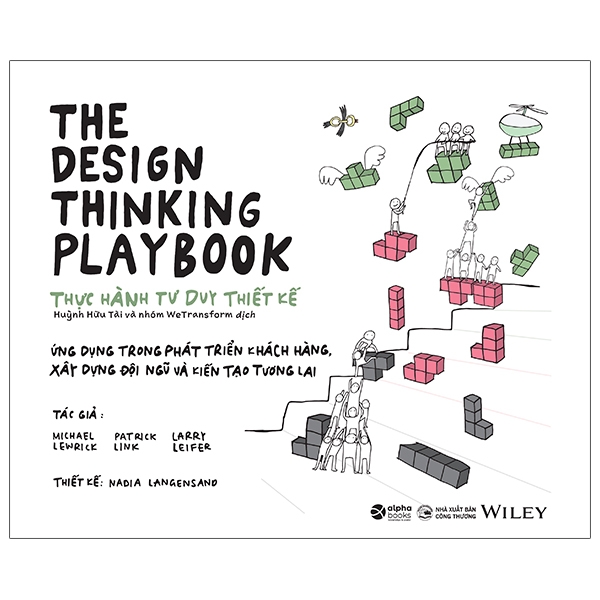
[Sách] Thực hành tư duy thiết kế - Michael Lewrick, Patrick Link, Larry Leiyer

Sách The Design Thinking Playbook - Thực Hành Tư Duy Thiết Kế - FAHASA.COM

"Tư duy thiết kế không bắt đầu từ công nghệ hay những con số tài chính nhảy múa. Nó bắt đầu từ con người."

Một ngày nắng đẹp. Dưới ánh đèn neon đều đặn lan đến cả của góc phòng, nơi nó ngồi lắng nghe đám trẻ thuyết trình. Đám trẻ tranh luận gay gắt, náo nhiệt về một chủ đề thẩm mỹ. Về cách tạo ra một bức hình phối cảnh hoàn hảo. Làm sao để khách hàng có thể hình dung rõ nét về những căn hộ, những căn biệt thự tương lai của họ dưới nhiều góc độ ánh sáng và phong cách khác nhau. Đám trẻ lướt qua những công cụ thiết kế, lật mở những nền tảng chia sẻ những bức ảnh lung linh, thực tế, tuyệt nhiên chẳng dùng đến trí tuệ nhân tạo AI.

Đám trẻ đầy năng lượng. Lộng lẫy có vô hồn? Chúng là những không gian chết? Những khối bê tông vô hồn được tô vẽ bằng kỹ thuật số, hoàn toàn thiếu đi hơi ấm của sự sống và nhịp thở của con người? Hàng loạt câu hỏi trong đầu nó.

Nhẹ nhàng. Nó kéo đám trẻ rời khỏi những điểm ảnh vô tri để về với một nơi đầy nắng, chạm vào điểm đầu của một cửa ngõ miền Tây: Waterpoint Bến Lức. Nó muốn đám trẻ phiêu du ngoài kia phải có một khoảng trời nhất định để neo đậu tư duy và thảo luận, thay vì cứ để suy nghĩ trôi tự do theo gió mây ngàn, cuốn đi cùng những ảo ảnh to lớn của riêng mình. Mênh mang. Nó bắt đầu nói về hơi thở của từng thực thể khách hàng, về mạch đập của cộng đồng và những dịch chuyển âm thầm của một xu thế xã hội liệu đấy có phải là tác động không? Ngầm. Dẫn dắt về tư duy theo quy luật nhân–quả ẩn hiện trong đời thường.

Sự quan sát ấy dắt nó lật lại những trang sách của Thực hành tư duy thiết kế do Michael Lewrick, Patrick Link và Larry Leifer biên soạn.

Bộ ba tác giả đã dắt tay người đọc đi qua một quy trình thực nghiệm nghiêm cẩn: Thấu cảm, Xác định vấn đề, Tìm ý tưởng, Dựng mẫu thử và Thử nghiệm. Nhưng cái lõi của chiếc la bàn ấy lại nằm vẹn nguyên ở bước đầu tiên: Thấu cảm.

Am hiểu khách hàng hay nắm bắt nhu cầu—suy cho cùng chỉ là những mỹ từ được người đời dùng để miêu tả một mong muốn. Rõ ràng. Trước khi vẽ nên những căn biệt thự lộng lẫy với trăm góc độ ánh sáng, một nhà thiết kế thực thụ phải tự bước qua cái hộp tư duy của chính mình để tự vấn: ánh nắng ban mai rọi qua ô cửa kính kia, liệu có sưởi ấm được những đứa trẻ "sống lâu" đã sớm nhìn thấy mặt trái của khát khao? Những đứa trẻ "sống lâu" đã nhốn nháo lớn lên cùng một đời thường đầy áp lực cơm, áo, gạo, tiền, lẫn đầy những điều ngạo ngược về hai chữ "tốt đẹp" mà người ta vẫn dựng xây rồi truyền dạy? 

Rồi hy với vọng. Khoảng trắng nơi sân vườn kia, liệu có đủ cho một khóm cây, một ao nước đầy dậy lên mùi sình non ươn ướt sau mưa giông? Thứ mùi hương ấu thơ dại khờ, giục giã đứa con viễn xứ quay về.

Trở về từ xứ sở cờ hoa lạnh lùng, dành cả thanh xuân lao vào những vĩ cuồng, quay cuồng trong vòng lặp vô thường của cơm áo. Để rồi khi tóc pha sương khói, họ lầm lũi tìm lối nhỏ về nhà, nhặt nhạnh chút an yên sót lại bên ráng chiều muộn.

Khi ấy, bản thiết kế không còn là một công cụ kiếm tiền rỗng tuếch. Nó trở thành một câu chuyện kể về giấc mơ—giấc mơ được định hình và vẽ gần đúng ra sao. Giấc mơ về một nơi thực sự thuộc về.

Nó khép lại quyển sách. Đám trẻ trong phòng đã thôi tranh luận, chúng ngồi lại với những khoảng lặng suy tư của riêng mình từ những điều nó vừa gợi ý. Nó nhìn ra ngoài cửa sổ, nắng chiều đang rớt dần, nhuộm đỏ một khoảng trời thành phố.

Nhìn những vệt sáng cuối ngày yếu ớt tan vào bóng tối, nó chợt nhận ra Michael Lewrick và các cộng sự không chỉ viết một cuốn cẩm nang cho giới kiến trúc. Họ đang đưa cho nó một bản thiết kế để tự chữa lành cho chính nội tại của mình. Điều phi thường nhất của một bản thiết kế, hay của chính đời người, chẳng phải là những hào nhoáng vĩ cuồng, mà là việc giữ lại vẹn nguyên hơi ấm của yêu thương để mang về nhà tối nay.

(updated: 05/06/2026)

***


"Design thinking does not begin with technology or dancing financial figures. It begins with people."

A beautiful, sunny day. Yet, under the monotonous hum of the neon lights reaching into every corner of the room, it (the character) sat, listening to the youth give their presentations. The youth were debating fiercely, filled with loud excitement over an aesthetic theme. Over how to create a flawless perspective render. How to allow clients to clearly visualize their future apartments and villas under various lighting angles and architectural styles. They scrolled through design tools, flipping through platforms that shared shimmering, realistic photos—relying absolutely zero on artificial intelligence (AI).

The youth were brimming with energy. Yet, can splendor be utterly soulless? Were these merely dead spaces? Nothing but soulless blocks of concrete painted over by digital tools, completely devoid of the warmth of life and the breath of humanity? A barrage of questions swirled inside its mind.

Gently. It pulled the youth away from those indifferent pixels and brought them back to a place drenched in sunlight, touching the very edge of a gateway to the Western delta: Waterpoint Ben Luc. It wanted these wandering young souls to have a specific patch of sky to anchor their thoughts and discussions, rather than letting their ideas drift freely with the high winds, swept away by their own grandiose illusions. Vastness. It began to speak of the breath of each individual client, the pulse of the community, and the silent, undercurrent shifts of a social trend—asking, could this be the real impact? A hidden current. It guided them toward a way of thinking shaped by the law of cause and effect, quietly weaving through the fabric of daily life.

This observation led it to reopen the pages of The Design Thinking Playbook, authored by Michael Lewrick, Patrick Link, and Larry Leifer.

The trio of authors guides the reader through a rigorous experimental process: Empathize, Define, Ideate, Prototype, and Test. Yet, the core of this entire compass remains untamed and fully intact within the very first step: Empathize.

To understand the client or to capture a need—in the end, these are merely beautiful euphemisms used by the world to describe a longing. Clarity. Before rendering magnificent villas with a hundred angles of light, a true designer must step past the box of their own intellect to self-vấn (interrogate oneself): that morning sunlight piercing through the glass pane, will it be enough to warm those "long-surviving" children who have already witnessed the flip side of desire? Those "long-surviving" children who grew up frantically amidst a daily life weighed down by the relentless pursuit of rice, clothes, housing, and money—riddled with the arrogant hypocrisies of a "good life" that the world builds up and professes?

Then, hope intertwines with expectation. That white space in the courtyard, will it be broad enough for a patch of green, an orchard pond filled to the brim that awakens the damp, raw smell of young mud after a summer monsoon? That naive fragrance of childhood, urgently whispering to the exiled child to return to the root.

Returning from that cold and distant land of stars and stripes, they had spent their entire youth charging into grandiose illusions, spinning wildly within the vô thường (impermanent) loop of survival. Only to find, when their hair has turned the color of smoke and frost, they must laboriously seek a small path home, scraping together whatever little peace remains under the fading ráng chiều (crepuscular glow) of a twilight life.

In that moment, the design ceases to be a hollow money-making tool. It transforms into a story told about a dream—how closely a dream can be sketched out. A dream of a place where one truly belongs.

It closed the book. The youth in the room had ceased their arguments, sitting back within their own quiet pockets of contemplation born from its suggestions. It looked out the window; the evening light was slowly receding, painting a stretch of the city sky in deep crimson.

Watching those fragile, end-of-day streaks of light dissolve into the darkness, it suddenly realized that Michael Lewrick and his colleagues had not merely written a manual for architects. They were handing it a blueprint to heal its own internal, héo úa (withered) soul. The most extraordinary thing about a design, or of a human life itself, is never the grandiose, flashy splendor, but the ability to preserve, fully intact, the raw warmth of yêu thương (love)—to pack it up and carry it all the way home tonight.

[Nhật ký của cha] Merci, ông già & con chữ [Dad's diary - Merci, the old man & language]

  Ai rồi cũng phải lớn! Ông già nhận ra điều đó khi ngồi ly trà cúc còn ủ hơi nóng ở một đêm cuối hạ, lắng nghe thằng nhóc Merci nói bằn...