Chiến Phan

Hiển thị các bài đăng có nhãn nxb mỹ thuật. Hiển thị tất cả bài đăng

Chủ Nhật, 9 tháng 11, 2025

[Sách] Thiết kế đồ họa thành phố Hồ Chí Minh 1986 - 2019 - Đỗ Văn Dũng


"Thiết kế đồ họa không còn là công việc đơn lẻ mà trở thành một chuỗi quy trình chiến lược, đòi hỏi sự am hiểu về tâm lý học người tiêu dùng và thị trường toàn cầu. Sự chuyên nghiệp hóa chính là dấu ấn của giai đoạn này."

Nó ghé thăm Trường vẽ Gia Định, nơi khai sinh của Trường Đại học Mỹ thuật, cùng cô nhóc lững thững ngắm nhìn những tác phẩm mỹ thuật hiện sinh. Có quá nhiều thứ đổi thay được tìm lại từ một thoáng Sài Gòn xưa. Theo khung chiều thời gian, sức sống của mỹ thuật từ đó cũng phát triển theo.

"Thiết kế đồ họa Thành phố Hồ Chí Minh 1986 - 2019" của Tiến sĩ Đỗ Văn Dũng là một công trình Luận án Tiến sĩ Nghệ thuật (chuyên ngành Lý luận và Lịch sử Mỹ thuật) được chuyển thể thành sách. Đây là một tài liệu hiếm hoi và vô cùng quan trọng, cung cấp cái nhìn toàn diện, có hệ thống và mang tính học thuật cao về lịch sử phát triển của ngành thiết kế đồ họa tại TPHCM trong hơn ba thập kỷ Đổi Mới.

Cuốn sách không chỉ là một cuốn album ảnh mà là một phân tích lịch sử - văn hóa sâu sắc, chia hành trình thiết kế của thành phố thành các giai đoạn rõ rệt, gắn liền với bối cảnh kinh tế, công nghệ và xã hội.

Tác giả đã khéo léo phân chia và làm rõ các đặc trưng của thiết kế đồ họa TPHCM qua từng mốc thời gian, giúp người đọc thấy được sự tiến hóa từ phương pháp thủ công sang kỹ thuật số:

  1. Giai đoạn Khởi đầu và Chuyển giao (1986 - 1995): Đây là thời kỳ chuyển giao từ nền kinh tế bao cấp sang kinh tế thị trường. Thiết kế đồ họa lúc này vẫn mang nặng dấu ấn thủ công (vẽ tay, typography thủ công), phục vụ chủ yếu cho công tác tuyên truyền và quảng cáo sơ khai. Giai đoạn này đặt nền móng cho việc hình thành các công ty thiết kế đầu tiên.

    • Trích dẫn (Tổng kết): "Trong thời kỳ này, thiết kế đồ họa chủ yếu mang tính phục vụ và trực quan, chưa đạt đến tính chiến lược. Nó là sự phản ánh trực tiếp của nhu cầu thị trường mới chớm nở và sự thiếu hụt công nghệ."

  2. Giai đoạn Phát triển Công nghệ và Hội nhập (1996 - 2005): Sự xuất hiện của máy tính cá nhân, phần mềm đồ họa (như CorelDRAW, Adobe Photoshop) và Internet đã tạo nên một cú nhảy vọt. Thiết kế bắt đầu chuyển mình mạnh mẽ sang kỹ thuật số, học hỏi từ phương Tây, và bắt đầu xuất hiện những phong cách mang tính thương mại rõ rệt.

  3. Giai đoạn Định hình và Chuyên nghiệp hóa (2006 - 2019): Thiết kế đồ họa bùng nổ, trở thành một ngành công nghiệp sáng tạo. Các studio chuyên nghiệp mọc lên, các thuật ngữ Brand Identity, UX/UI bắt đầu được áp dụng. Phong cách thiết kế đa dạng hơn, phản ánh rõ ràng sự giao thoa văn hóa và sự trưởng thành của đội ngũ thiết kế Việt Nam.

Tiến sĩ Đỗ Văn Dũng không chỉ kể chuyện lịch sử mà còn đưa ra những nhận định lý luận sâu sắc về bản sắc thiết kế Việt Nam trong bối cảnh toàn cầu hóa.

 "Bản sắc thiết kế không nằm ở việc sao chép những họa tiết truyền thống, mà ở khả năng giải quyết vấn đề của thời đại bằng tư duy thẩm mỹ và cảm quan văn hóa riêng của người Việt."

Cuốn sách này là một tài liệu tham khảo bắt buộc cho sinh viên, giảng viên, và các chuyên gia trong ngành thiết kế. Nó giúp chúng ta không chỉ biết "cái gì đã xảy ra" mà còn hiểu "tại sao nó lại xảy ra" và định vị được vị trí của mình trong dòng chảy sáng tạo đang tiếp diễn. Nó là minh chứng cho sự trưởng thành của lý luận và lịch sử mỹ thuật Việt Nam.

***


"Graphic design is no longer a solitary task but has become a strategic process chain, requiring understanding of consumer psychology and the global market. Professionalization is the hallmark of this period."

I visited the Gia Định School of Drawing, the birthplace of the University of Fine Arts, and strolled with the young girl, gazing at the existing fine art works. So many changes were rediscovered in a glimpse of old Saigon. Following the flow of time, the vitality of fine arts has also developed accordingly.

"Graphic Design in Ho Chi Minh City 1986 - 2019" by Dr. Đỗ Văn Dũng is a Doctoral Thesis in Art (specializing in Theory and History of Fine Arts) adapted into a book. This is a rare and immensely important resource, providing a comprehensive, systematic, and highly academic view of the history of graphic design development in HCMC over three pivotal decades of Đổi Mới (Renovation).

The book is not merely an album of images but a profound historical and cultural analysis, dividing the city's design journey into distinct phases, closely tied to the economic, technological, and social context.

Historical Analysis by Period

The author skillfully delineates and clarifies the characteristics of HCMC graphic design across different milestones, allowing the reader to observe the evolution from manual to digital methods:

  1. The Starting and Transition Phase (1986 - 1995): This was the period of transition from a subsidized economy to a market economy. Graphic design at this time still heavily bore the marks of manual work (hand-drawn, manual typography), primarily serving initial propaganda and rudimentary advertising. This phase laid the groundwork for the formation of the first design companies.

    • Quote (Summary): "In this period, graphic design was mainly functional and intuitive, not yet reaching strategic depth. It was a direct reflection of the nascent market demand and the lack of technology."

  2. The Technology Development and Integration Phase (1996 - 2005): The appearance of personal computers, graphic software (like CorelDRAW, Adobe Photoshop), and the Internet created a leap forward. Design began to shift strongly towards digital methods, learning from the West, and commercial styles started to emerge distinctly.

  3. The Shaping and Professionalization Phase (2006 - 2019): Graphic design boomed, transforming into a creative industry. Professional studios emerged, and terms like Brand Identity, UX/UI began to be adopted. Design styles became more diverse, clearly reflecting cultural fusion and the maturation of the Vietnamese design team.

Dr. Đỗ Văn Dũng not only recounts history but also provides profound theoretical insights into the Vietnamese design identity in the context of globalization.

  • Quote (On Identity): "Design identity lies not in copying traditional patterns, but in the ability to solve contemporary problems using the unique aesthetic thinking and cultural sensibility of the Vietnamese people."

This book is a mandatory reference material for students, lecturers, and professionals in the design industry. It helps us not only know "what happened" but also understand "why it happened" and position ourselves within the ongoing creative flow. It is a testament to the maturation of Vietnamese fine arts theory and history.

Thứ Sáu, 18 tháng 10, 2024

[Sách] Nghệ thuật An Nam - Louis Bezacier


"Những tác phẩm nghệ thuật cổ không chỉ là di sản của một thời kỳ, mà còn là tiếng nói của những con người đã sống, đã sáng tạo trong bối cảnh xã hội và văn hóa cụ thể.”

An Nam là An Nam, Trung Quốc là Trung Quốc. Tôi là tôi, bạn là bạn. Louis Bezacier đã chứng minh điều đó thay cho...người Việt trong tác phẩm của mình. 

Nghệ thuật An Nam của Louis Bezacier là một tác phẩm đầy giá trị, không chỉ đối với những người nghiên cứu lịch sử và văn hóa Việt Nam, mà còn cho những ai yêu thích nghệ thuật và muốn hiểu sâu hơn về nghệ thuật cổ truyền của xứ An Nam. Cuốn sách này được viết bởi một nhà khảo cổ và nhà nghiên cứu người Pháp, Louis Bezacier, người đã dành nhiều năm cuộc đời mình để nghiên cứu nghệ thuật và kiến trúc truyền thống của Việt Nam.

Sự tìm tòi khám phá lịch sử tạo giá trị ở tương lai, có lẽ Louis Bezacier cũng không hình dung được sức sống của sự tìm tòi mình sẽ đến đâu. Bản thân nghĩ chắc ông cũng chẳng quan tâm, điều cần là ở hiện tại khi đó, ông cảm thức ý nghĩa của công việc mình. Thế là đủ.

Một trong những điểm nổi bật của tác phẩm này là cách Bezacier khéo léo phân tích và tái hiện lại các giá trị nghệ thuật dân tộc thông qua các kiến trúc cổ, chùa chiền, đền đài, và những hiện vật khảo cổ. Ông không chỉ mô tả về cấu trúc, vật liệu và các yếu tố nghệ thuật, mà còn đi sâu vào ý nghĩa văn hóa, tâm linh đằng sau mỗi tác phẩm, giúp độc giả có cái nhìn toàn diện hơn về nền nghệ thuật phong phú của An Nam.

“Chính tinh thần của dân tộc mới là yếu tố chủ đạo trong sự phát triển nghệ thuật. Nghệ thuật An Nam không chỉ nằm ở sự tinh xảo của những đường nét, mà còn ở tinh thần dân tộc được thể hiện rõ ràng qua từng tác phẩm.”

Bezacier tập trung vào việc mô tả các yếu tố truyền thống trong kiến trúc như đình làng, chùa chiền, và các ngôi đền thờ, nơi mà nghệ thuật chạm khắc gỗ và điêu khắc đá được phát triển mạnh mẽ. Ông ca ngợi sự tinh tế và tài năng của các nghệ nhân An Nam, những người đã biết kết hợp hài hòa giữa thiên nhiên, tín ngưỡng và nghệ thuật để tạo nên những công trình đầy tính thẩm mỹ.

Ông đặc biệt nhấn mạnh đến những công trình chùa chiền, được xem là biểu tượng của nghệ thuật tôn giáo Việt Nam. Những tác phẩm điêu khắc trên gỗ, với các hình tượng rồng, phượng và các biểu tượng linh thiêng khác, thể hiện sự giao thoa tinh tế giữa văn hóa bản địa và ảnh hưởng từ Phật giáo, Đạo giáo.

Cuốn sách mang đến cho người đọc một hành trình khám phá không gian văn hóa nghệ thuật của An Nam, từ những chi tiết nhỏ nhất như hoa văn trên mái đình đến cách bố trí tổng thể của các khu đền đài. Bezacier đã chứng minh rằng, nghệ thuật An Nam không chỉ mang tính thẩm mỹ mà còn chứa đựng những giá trị văn hóa, tâm linh sâu sắc.

Tác phẩm Nghệ thuật An Nam của Louis Bezacier là một tài liệu quý giá, giúp người đọc hiểu sâu hơn về nghệ thuật và văn hóa truyền thống Việt Nam, đồng thời cũng là một lời nhắc nhở về việc bảo tồn và tôn vinh các giá trị nghệ thuật mà cha ông đã để lại.

***

"The ancient works of art are not only the heritage of a specific era but also the voice of the people who lived and created within a particular social and cultural context."

An Nam is An Nam, China is China. I am myself, and you are you. Louis Bezacier demonstrated this truth on behalf of the Vietnamese through his work.

Louis Bezacier's The Art of Annam is an invaluable piece of work, not only for those studying Vietnamese history and culture but also for anyone who loves art and wants to delve deeper into the traditional art of Annam. This book was written by a French archaeologist and scholar, Louis Bezacier, who devoted many years of his life to studying the traditional art and architecture of Vietnam.

Exploring history creates value for the future. Perhaps Louis Bezacier could not have foreseen how far the vitality of his discoveries would reach. I don't think he would have cared much either. What mattered to him was the sense of purpose in his work at that moment. That was enough.

One of the highlights of this book is Bezacier's skillful analysis and recreation of the national artistic values through ancient architecture, temples, pagodas, and archaeological artifacts. He not only described the structures, materials, and artistic elements but also delved into the cultural and spiritual meanings behind each work, helping readers gain a more comprehensive understanding of Annam's rich artistic heritage.

“The national spirit is the key factor in the development of art. The art of Annam is not only about the intricacy of lines but also about the national spirit clearly reflected in each work.”

Bezacier focused on describing traditional elements in architecture, such as village communal houses, temples, and shrines, where the art of wood carving and stone sculpture flourished. He praised the elegance and craftsmanship of Annam’s artisans, who knew how to harmoniously blend nature, belief, and art to create works full of aesthetic value.

He particularly emphasized the temple structures, regarded as the epitome of religious art in Vietnam. The wood carvings, with their dragon, phoenix, and other sacred motifs, reflect a delicate intersection between indigenous culture and the influences of Buddhism and Taoism.

The book takes readers on a journey through the artistic and cultural landscape of Annam, from the smallest details such as the patterns on a temple roof to the overall layout of sacred complexes. Bezacier demonstrated that the art of Annam is not only aesthetically pleasing but also deeply embedded with cultural and spiritual values.

Louis Bezacier's The Art of Annam is a precious document that helps readers gain deeper insights into Vietnam’s traditional art and culture. It also serves as a reminder of the importance of preserving and honoring the artistic values that our ancestors left behind.

https://doisales.com.vn/index.php/2024/10/19/sach-nghe-thuat-an-nam-louis-bezacier/

Thứ Hai, 23 tháng 9, 2024

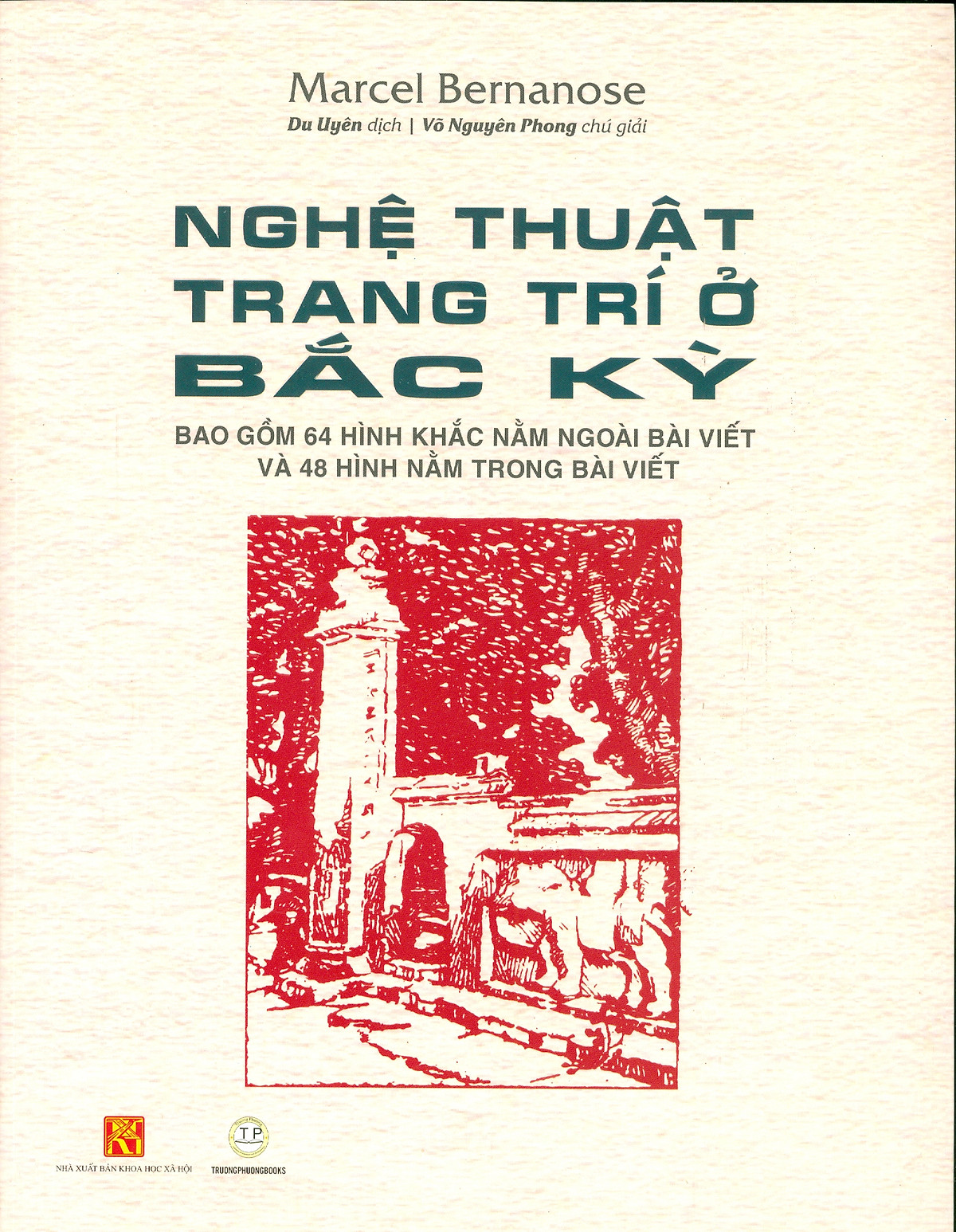
[Sách] Nghệ thuật trang trí ở Bắc Kỳ - Marcel Bernanose - The Decorative Arts of Vietnamese North


"Nghệ thuật trang trí ở Bắc Kỳ không chỉ đơn thuần là biểu hiện của cái đẹp, mà nó còn chứa đựng cả lịch sử, văn hóa và những giá trị tinh thần sâu sắc của dân tộc."

Hồn dân tộc gánh cả một non sông. Gặp lại cha ông, nắm được cả tâm tính nằm trong những nét chạm khắc, tiết họa còn lưu.

"Nghệ thuật trang trí ở Bắc Kỳ" của Marcel Bernanose là một tác phẩm vô cùng độc đáo và giá trị, ghi lại một phần quan trọng của nghệ thuật và văn hóa Việt Nam vào đầu thế kỷ 20. Cuốn sách không chỉ là một nghiên cứu về các hình thức nghệ thuật trang trí truyền thống tại miền Bắc Việt Nam, mà còn là một cuộc hành trình khám phá tinh hoa văn hóa, tư duy sáng tạo và kỹ thuật thủ công tinh xảo của người Việt.

Bernanose, với góc nhìn của một nhà nghiên cứu phương Tây, đã thể hiện sự tôn trọng và cảm phục đối với nền nghệ thuật trang trí của Bắc Kỳ. Ông đặc biệt chú trọng vào các chi tiết tinh vi trong các sản phẩm thủ công mỹ nghệ như chạm khắc gỗ, gốm sứ, và tranh dân gian. Những quan sát tỉ mỉ và phân tích sâu sắc của Bernanose giúp người đọc hiểu rõ hơn về giá trị thẩm mỹ và tinh thần của nghệ thuật truyền thống Việt Nam.

Cuốn sách mang đến cho người đọc những góc nhìn sâu sắc về cách người Việt sử dụng nghệ thuật trang trí để thể hiện quan niệm về thiên nhiên, tôn giáo và xã hội. Marcel Bernanose cũng nhấn mạnh sự hòa quyện giữa tính thẩm mỹ và tính ứng dụng trong các tác phẩm trang trí, cho thấy nghệ thuật không chỉ để chiêm ngưỡng mà còn là một phần không thể thiếu trong đời sống hàng ngày.

Một điểm nổi bật khác của tác phẩm là cách mà Marcel Bernanose miêu tả sự phát triển của nghệ thuật trang trí qua các thời kỳ lịch sử. Từ những họa tiết đơn giản trên gốm sứ thời kỳ đầu cho đến các mẫu chạm khắc tinh xảo trên đồ thờ cúng, mỗi chi tiết đều mang một câu chuyện về sự biến đổi trong văn hóa và xã hội của người Việt.

"Mỗi đường nét, mỗi họa tiết trong nghệ thuật trang trí Bắc Kỳ đều phản ánh một phần của tâm hồn Việt, nơi mà cái đẹp và ý nghĩa hòa quyện một cách hoàn hảo."

"Nghệ thuật trang trí ở Bắc Kỳ" không chỉ là một tài liệu quý giá dành cho những người yêu nghệ thuật và văn hóa Việt Nam, mà còn là một tác phẩm khơi gợi cảm hứng cho những ai đam mê tìm hiểu về sự phát triển và bảo tồn giá trị truyền thống. Với lối viết chi tiết, khoa học nhưng vẫn đầy cảm xúc, Marcel Bernanose đã để lại một di sản văn hóa vô cùng ý nghĩa, giúp thế hệ sau hiểu rõ hơn về nghệ thuật trang trí phong phú và độc đáo của Việt Nam.

***

"The decorative arts of Northern Vietnam are not merely an expression of beauty, but they also encompass the history, culture, and profound spiritual values of the nation."

The soul of a people carries the weight of a nation. Through the artful carvings and lingering strokes, one can reconnect with the ancestors and grasp the character of an entire lineage.

"The Decorative Arts of Northern Vietnam" by Marcel Bernanose is an exceptionally unique and valuable work, capturing an important part of Vietnam's art and culture in the early 20th century. The book is not only a study of traditional decorative art forms in Northern Vietnam but also a journey to explore the cultural essence, creative mindset, and intricate craftsmanship of the Vietnamese people.

From the perspective of a Western researcher, Bernanose shows deep respect and admiration for the decorative arts of Northern Vietnam. He pays special attention to the refined details in handicrafts such as wood carvings, ceramics, and folk paintings. His meticulous observations and profound analyses help readers better understand the aesthetic and spiritual values of Vietnam's traditional arts.

The book provides readers with deep insights into how the Vietnamese use decorative arts to express their views on nature, religion, and society. Marcel Bernanose also emphasizes the fusion of aesthetics and functionality in decorative works, showing that art is not only for admiration but also an integral part of everyday life.

Another highlight of the book is how Bernanose describes the evolution of decorative arts through various historical periods. From the simple motifs on early ceramics to the intricate carvings on sacred objects, each detail tells a story of cultural and societal transformation in Vietnam.

"Each line, each motif in the decorative arts of Northern Vietnam reflects a part of the Vietnamese soul, where beauty and meaning are perfectly intertwined."

"The Decorative Arts of Northern Vietnam" is not only a valuable resource for those who love Vietnamese art and culture but also an inspiring work for anyone interested in the development and preservation of traditional values. With a writing style that is both detailed and emotional, Marcel Bernanose has left behind a profoundly meaningful cultural legacy, helping future generations understand the rich and unique decorative arts of Vietnam.

https://doisales.com.vn/index.php/2024/09/24/sach-nghe-thuat-trang-tri-o-bac-ky-marcel-bernanose-the-decorative-arts-of-vietnamese-north/

[Nhật ký của cha] Merci, ông già & con chữ [Dad's diary - Merci, the old man & language]

  Ai rồi cũng phải lớn! Ông già nhận ra điều đó khi ngồi ly trà cúc còn ủ hơi nóng ở một đêm cuối hạ, lắng nghe thằng nhóc Merci nói bằn...