
"Kẻ sáng tạo không tìm kiếm sự chấp thuận hay vỗ tay từ đám đông. Họ kiến tạo thế giới từ chính viễn cảnh trinh nguyên của nội tâm mình, đâm thủng những quy chuẩn mòn cũ để khẳng định quyền tự chủ kiên cường của một bản thể duy nhất."
Trưa oi nồng chốn đô thị.
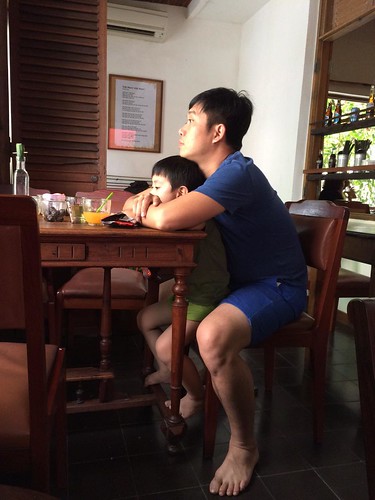
Trên tầng 5 của một quán cà phê vắt vẻo giữa lòng Sài Gòn, hai anh em ngồi đối diện. Trong khoảng không chao đảo, lảng bảng tiếng còi xe rền rĩ dội lên từ lòng đường, lọt gõ giữa tạp âm xô xát của dòng người qua lại, người anh mở đề về một tựa sách.
Đó là khoảnh khắc nó lần đầu nghe về tuyệt tác "Suối nguồn" (The Fountainhead) của triết gia Ayn Rand.
Chiếu soi vào thời đại hôm nay, trên màn hình máy tính chớp tắt liên hồi, dư luận xã hội và truyền thông thế giới đang xôn xao bàn tán về những diễn văn nảy lửa của cựu Tổng thống Donald Trump. Người ca tụng, kẻ nguyền rủa, đám đông chia rẽ gầm gào.
Nhưng quan sát kỹ dưới nhãn quan của Ayn Rand, người ta bất giác nhận ra một sự ví von cay đắng: Đám đông đang hoảng loạn trước một bản thể dám đi ngược lại mọi quy chuẩn chính trị mòn cũ. Donald Trump—dù ở khía cạnh ủng hộ hay phản đối—hiện diện như một hình mẫu đại diện cho cuộc xung đột giữa tuyến nhân vật Cá nhân Tự chủ (Objectivism) dám xé rào, tự định đoạt hành vi, và cỗ máy truyền thông tập thể chuyên vận hành bằng sự vay mượn dư luận (Second-handers).
Trăm năm vẫn sống. Nó không thể rời mắt để theo suốt Ayn Rand trong hành trình ấy. Cách xây dựng nhân vật và đặt vấn đề của Ayn Rand đến tận hôm nay vẫn là một công trình hiện thực sắc lẹm, trần trụi và không một chút lệch chuẩn. Đặt "Suối nguồn" bên cạnh những tiểu thuyết luận đề cùng thời hay sau đó—từ sự dằn dỗi kiệt quệ của kiếp nô lệ tư bản trong "Sừng tấm" hay sự tha hóa thầm lặng chốn đô thị của "Người ăn chay" (Han Kang)—người ta mới thấy sự khác biệt nghiệt ngã: Ayn Rand không khóc thương cho nạn nhân, bà nói về bộ óc sáng tạo.
Chiếu soi vào thời đại hôm nay, trên màn hình máy tính chớp tắt liên hồi, dư luận xã hội và truyền thông thế giới lại chao đảo trước những biến động địa-chính trị nảy lửa. Người ca tụng, kẻ nguyền rủa, đám đông chia rẽ gầm gào. Rủa xả rồi khen ngợi, quay lưng rồi lại vỗ tay nồng nhiệt trước một kẻ dám đi ngược lại cả một tập thể.
Trong khoảng lặng bi hùng ấy, nó dầm mình vào từng trang sách. Tác phẩm xuất hiện như một phổ chân thẩm mỹ, chân thực đằng sau những phổ màu rực rỡ, phơi bỳ vết thương kiêng kỵ nhất của nhân loại: Bản chất của Chủ nghĩa Cá nhân Tự chủ đối lập sinh tử với sự vay mượn linh hồn
Ayn Rand đặt vấn đề một thực tế rứt rách: Xã hội hiện đại đầy rẫy những "kẻ sống vay mượn" (Second-handers). Peter Keating hay Ellsworth Toohey đại diện cho đám đông sống, làm việc và tư duy dựa trên sự công nhận của kẻ khác. Họ biến mình thành những bức tượng thạch cao trơ khô, sẵn sàng bóp méo bản sắc, bóp nghẹt căn tính của nghệ thuật để đổi lấy vị thế, tiền bạc và những tràng vỗ tay phù phiếm.
Ayn Rand—với văn phong phong sương, dứt khoát, sắc lạnh nhưng cuồn cuộn chiều sâu chiêm nghiệm—không viết một cuốn tiểu thuyết lãng mạn sáo rỗng. Bằng thứ ngôn từ giàu nhạc điệu, ngắt câu dứt khoát và sự tương phản khắc nghiệt, Rand tiến hành giải phẫu bộ gen của sự sáng tạo qua hai nhân vật đối lập sinh tử: Kiến trúc sư Howard Roark và Peter Keating.
Ayn Rand bóc tách một thực tế rứt rách: Xã hội hiện đại đầy rẫy những "kẻ sống vay mượn" (Second-handers). Họ sống, làm việc và tư duy dựa trên sự công nhận của đám đông. Họ biến mình thành những bức tượng thạch cao khô khốc, sẵn sàng bóp méo bản sắc cá nhân để đổi lấy vị thế và tiền bạc.
"Howard Roark không xây nhà để phục vụ người khác; ông xây nhà để khẳng định tầm nhìn kiến trúc của chính mình. Ông chấp nhận bị gạt bỏ, chấp nhận nghèo khổ và cô độc chứ nhất quyết không nhượng bộ một chi tiết kiến trúc bị coi là thỏa hiệp với sự tầm thường."
Đỉnh điểm của cao trào tâm lý ấy nằm ở hành động Roark tự tay đặt thuốc nổ đánh sập công trình Cortlandt—nơi bản vẽ nguyên bản của ông bị những kẻ vay mượn xâu xé, chỉnh sửa. Trước phiên tòa xét xử, Roark đứng thẳng, không cầu xin sự rủ lòng thương, không diễn trò đạo đức giả. Bài bào chữa của ông là một tuyên ngôn dứt khoát về quyền tự chủ của kẻ sáng tạo: Trái đất thuộc về những kẻ tự lực, không thuộc về những ký sinh trùng sống bằng suy nghĩ của người khác.
Nó leo lên tận đỉnh tháp, nhìn Howard Roark đứng kiêu hãnh trên đỉnh tòa tháp Wynand Building—xung quanh chỉ có bầu trời, mây trắng và gió ngàn cuồng giật—đọng lại như một biểu tượng vĩnh hằng về sự thắng thế của bản ngã trước tàn tích của sự tầm thường. Một kẻ sáng tạo. Khép lại. Một hành trình trăm năm. Tự hỏi: "Tôi là ai!?"
***
"The creator seeks neither approval nor applause from the crowd. They construct the world from the pristine, untarnished vision of their own inner domain, puncturing worn-out conventions to affirm the unyielding autonomy of a singular self."
A sweltering, suffocating noon in the heart of the metropolis.
On the fifth floor of a café perched precariously amidst Saigon, two brothers sat face to face. Within that swaying expanse—where the muffled, droning roar of traffic reverberated from the street below, cutting through the jarring noise of the passing crowd—the elder brother initiated a conversation about a book title.
That was the precise moment nó first heard of the masterpiece The Fountainhead by the philosopher-novelist Ayn Rand.
Reflected in today's world, upon a flickering computer screen, global public opinion and mass media churn in feverish debate over the fiery speeches of former President Donald Trump. People praise, others curse; the divided crowd roars in fierce dissonance.
Yet observing closely through Ayn Rand’s lens, one suddenly discerns a bitter parallel: The crowd is panicking before an entity that dares to march directly against every worn-out political convention. Donald Trump—whether viewed through the prism of support or opposition—stands as a stark embodiment of the clash between the Autonomous Individual (Objectivism) who dares to break boundaries and dictate his own actions, and the collective media machine that operates purely on borrowed public sentiment (Second-handers).
A century has passed, yet it lives on. Nó could not tear its eyes away, following Ayn Rand throughout that journey. Ayn Rand’s characterization and framing remain, to this day, a sharp, unvarnished, and flawless work of critical realism. Placing The Fountainhead beside thesis novels of the same era or beyond—from the exhausting grit of capitalist bondage in The Elk to the quiet, urban alienation in Han Kang’s The Vegetarian—one realizes the cruel distinction: Ayn Rand does not weep for victims; she dissects the creative mind.
Reflected in today's world, upon a flickering computer screen, global media and social commentary sway once more before fiery geopolitical convulsions. Praise turns to curses, turning away only to applaud passionately for one who dares to defy an entire collective.
In that grand, tragic silence, nó immersed itself into every page. The work emerged as a true aesthetic spectrum, genuine behind vibrant colors, laying bare humanity’s most taboo wound: The life-or-death confrontation between Autonomous Individualism and the borrowed soul.
Ayn Rand presents a jagged, tearing (rứt rách) reality: Modern society is infested with "second-handers." Peter Keating or Ellsworth Toohey represent the crowd that lives, works, and thinks solely for the recognition of others. They transform themselves into dry, petrified thach-cao statues (bức tượng thạch cao khô khốc), ready to distort their identity and strangle the pristine essence of art in exchange for status, money, and vain applause.
Ayn Rand—with a prose style weathered, decisive, and razor-sharp yet surging with contemplative depth—does not write a hollow romantic novel. Through rhythmic language, sharp sentence cuts, and harsh contrasts, Rand executes a surgical dissection of the creative genome through two fatally opposed figures: the architect Howard Roark and Peter Keating.
Ayn Rand lays bare a tearing reality: Modern society is infested with "second-handers." They live, work, and think based entirely on crowd approval. They turn themselves into dry, lifeless plaster statues, ready to compromise their personal identity for status and wealth.
"Howard Roark did not build to serve others; he built to affirm his own architectural vision. He accepted rejection, poverty, and isolation rather than yield a single architectural detail that felt like a compromise with mediocrity."
The psychological climax arrives when Roark personally sets explosives to detonate the Cortlandt housing project—where his original design had been butchered and scavenged by second-handers. Before the court, Roark stands erect, begging no mercy, performing no moral hypocrisy. His defense speech is an unyielding manifesto of creator autonomy: The earth belongs to the self-sufficient, not to parasites living off the thoughts of others.
Nó climbed to the absolute summit, watching Howard Roark stand proudly atop the Wynand Building—surrounded only by the sky, white clouds, and wild, roaring winds (bầu trời, mây trắng và gió ngàn cuồng giật)—anchored as an eternal symbol of the self’s triumph over the ruins of mediocrity. A creator. Closed. A journey of a hundred years. Self-asking: "Who am I!?"



Không có nhận xét nào:
Đăng nhận xét